

There are lots of factors to consider when deciding what to feed any animal and sheep are no exception. When sheep are kept on smallholdings they are usually produced extensively for slow-grown meat with better taste and nutrition or to produce wool. Breeders may also be preparing their stock for showing or to sell as breeding stock and so often have pedigree or rare breeds. With all of these scenarios, putting better quality feedstuffs into your sheep feed, means getting more out.
Alfalfa for meat quality
Studies have shown that animals reared on forages such as alfalfa have better fatty acid profiles in their meat. This is because cereals are higher in omega 6 whereas forages contain a higher ratio of omega 3. It should be noted that forages are not high in oil but what they do contain is better quality than in cereals. When we consume the meat from animals reared on forage-based systems, we are getting the benefits of more omega 3 in our diets, meaning there are many benefits of feeding sheep alfalfa.
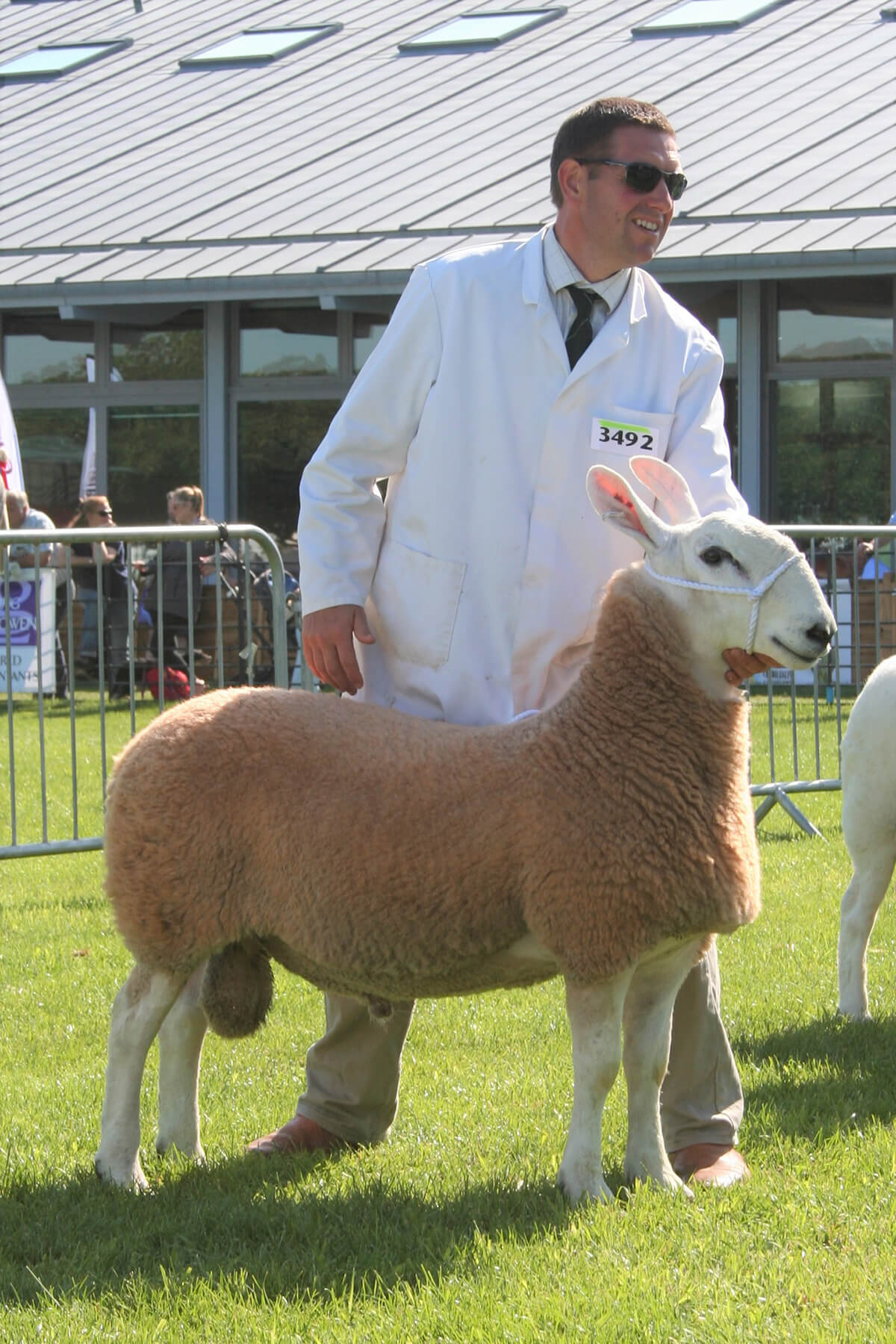
The Neben flock have used Alfa-A Original and Alfa-Beet for many years to produce show ring condition
Alfalfa for wool and hoof quality
Tissues such as wool and hoof horn contain keratin which is made up of amino acids or protein. Alfalfa is abundant in amino acids and is also a great source of highly bioavailable minerals such as calcium and sulphur which are known to help create strong hoof tissue. Whilst finer wool is produced from sheep in nutritionally deprived areas, too little nutrition can cause serious health issues and so it is important to strike a balance. Feeding sheep alfalfa sufficiently but not too much is key.
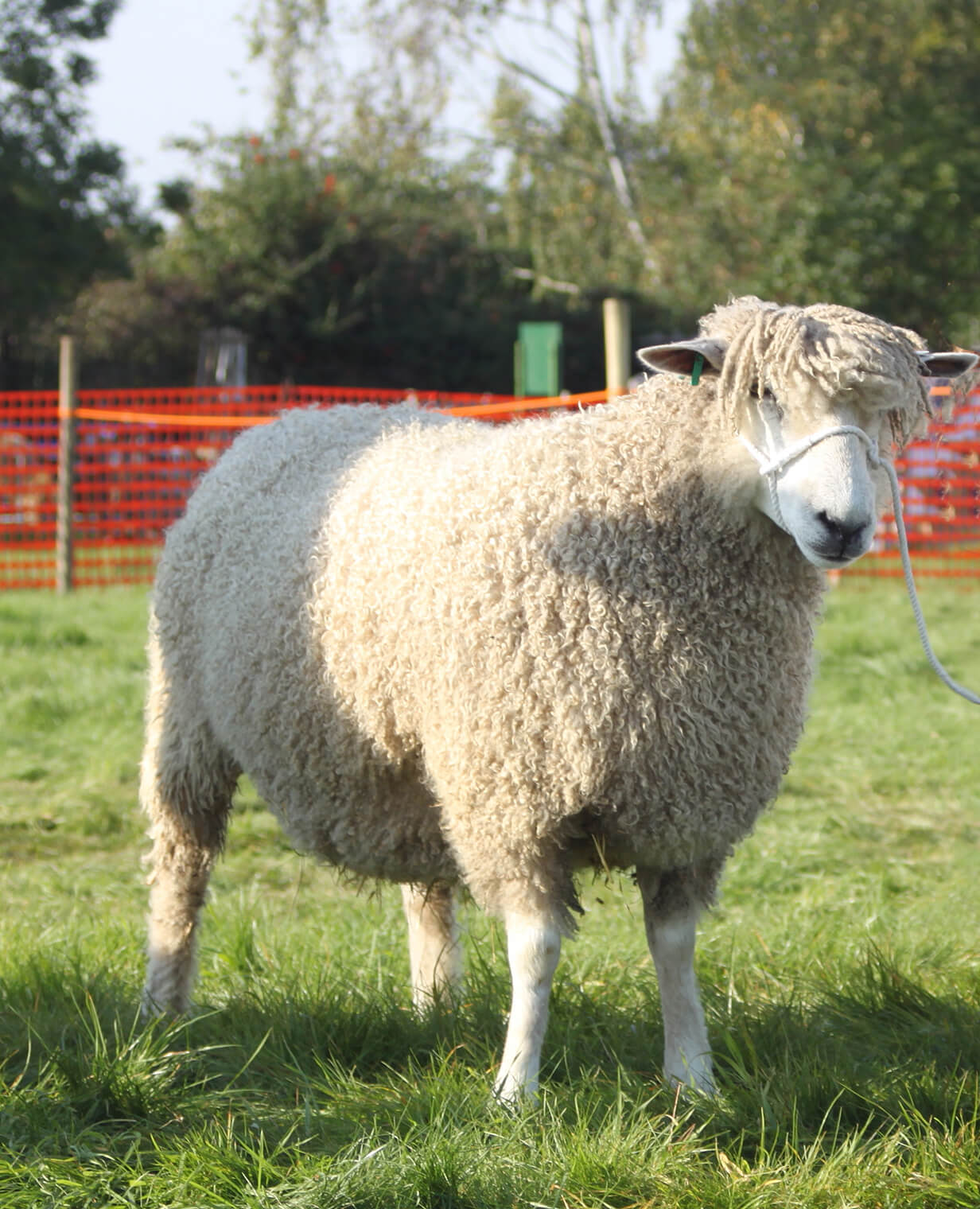
Including alfalfa in the ration
250 grams per head per day will help to provide quality protein and other essential nutrients and is a practical level to feed to most sheep. If it is used to replace some of the cereal based feeds it also helps to reduce the risk of acidosis. Dengie Alfalfa Pellets are a convenient way to add alfalfa to the bucket or trough or if using as an alternative to forage then Alfa-A Original is the best option. The addition of molasses makes it palatable and brings the ME up too.
Dengie Alfa-Beet is our best kept secret for putting weight on show sheep. A blend of alfalfa and sugar beet provides a great source of highly digestible fibre that is efficiently converted to condition. Feed Alfa-Beet soaked to help take moisture into the gut and offset the effects of meal feeding.
When forage quality is poor, pregnant ewes are at greater risk of twin lamb disease and so adding up to 0.5kg per head per day to the ration can be beneficial. When ewes are heavily pregnant they can start to eat less as the lambs take up more space. Making every mouthful count helps to ensure nutrient requirements are met and so using better quality forages such as alfalfa becomes even more important. Adding some alfalfa 2 to 3 weeks before birth is usually beneficial.
Alfalfa is abundant in calcium and ewe’s milk is higher in calcium than cow’s milk. Supplying calcium in the ration is important to ensure the ewe doesn’t deplete her own reserves in order to pass the calcium on in her milk. Adding 0.25 to 0.5kg per head per day to milking sheep is our recommendation.
Grass Based Forage Replacers
Feeding hay to sheep is commonplace at times when fresh pasture is in short supply or of poor quality. We are often asked about the suitability of feeding sheep haylage when hay isn’t available. Haylage has a lower dry matter than hay and so the additional moisture means that a greater weight of forage needs to be fed to ensure dry matter intakes are maintained. If insufficient is consumed then droppings can become loose. In the short term this isn’t usually too much of an issue but if the problem persists it can cause digestive issues. One solution is to use a dried grass-based forage either instead of or as well as feeding sheep haylage. The higher dry matter of products like Dengie Meadow Lite with Herbs helps to offset the lower dry matter in the haylage making it easier to maintain dry matter intake.
In addition, if you’ve got some special, older individuals in your flock then it is likely that their aren’t quite what they used to be. Although as any animal ages they become less efficient at absorbing nutrients, many sedentary OAPs would simply do too well on alfalfa-based forages. Those based on grass such as Dengie Meadow Lite with Herbs or Pure Grass Pellets, are often more suitable and can be used as complete or partial hay replacers. The pellets can be soaked for those with really poor teeth and the softer texture of the chopped fibre is easier to manage but still provides some chew time and scratch factor in the stomach.
So whichever sheep feed you use, there is a great source of fibre available from Dengie to complement it.
With Halloween only a short time away there are many posts and videos appearing on Social Media about feeding pumpkins to horses. How safe is it to feed pumpkin to horses and what do you need to consider before offering pumpkin as a treat to your horse?
Pumpkin is suitable to feed to horses and is just one of many different fruits and vegetables that your horse may or may not enjoy according to their preferences! If you would like to try feeding pumpkin to your horse then consider the following.
Can horses eat pumpkin as a treat?
As with any treat, feed pumpkin to your horse in small amounts and introduce it gradually as you would with any new feed. Pumpkins are quite sizable and whilst it may be fun to watch your horse play with and demolish an entire pumpkin, if your horse eats it all then that’s quite a sudden diet change which has the potential to increase the risk of digestive disturbance!
Is pumpkin a choke risk to horses?
If feeding smaller portions of pumpkin to your horse then consider the risk of choke – slivers may be more appropriate than cubes for example. We would advise removing the particularly tough stalk if you are letting your horse play with a whole pumpkin.
What about sugar content – can I feed pumpkin to a laminitis prone horse?
All fruit and veg contain natural sugars in varying proportions. Looking in the local supermarket the nutritional values stated for raw pumpkin are 1.7g per 100g as sold – translate that to ‘as fed’ for horses. By comparison the carrots were 7.4g as sold. To put this in perspective hay would typically contain 10g of sugar per 100g as fed.
As with all other fruit and veg, pumpkin can be given as a treat to laminitis prone individuals as long as it is used as a treat and not fed by the bucketful! When it comes to feeding pumpkin, giving a treat of 100g-200g adds very little extra sugar, especially if that is divided into treats over the day.
Make a treat last longer
Don’t limit treats to just in hand feeding. Hiding some slivers of pumpkin in a haynet, some Dengie Hi-Fi Molasses Free may engage your horse in more foraging activity thereby keeping them occupied for that little bit longer.
Can I only feed pumpkin raw to my horse?
In America there are also references to people using tinned pumpkin that has been cooked as a palatable ‘mash’ for their horse. If you wanted to try this, look for tinned pumpkin that has nothing added to it or simply cook and mash your own.
Why isn’t my horse keen on pumpkin?
Don’t be concerned if your horse isn’t keen on pumpkin, horses can be suspicious of novel feeds or may simply not like the taste of pumpkin! Try some other fruit and veg treats for example banana, pears, swede or parsnips. Alternatively Dengie’s Alfalfa Pellets and Pure Grass Pellets can both be used as tasty treats.
Learn about the benefits of Dengie’s Healthy Tummy here.
As winter approaches and turnout time is limited, horses and ponies may spend more time stabled. In general, keeping your horse occupied during the winter months can often be a cause for concern for many horse owners. Horse treat balls and snack balls can be a great way to help reduce boredom and provide a more natural ‘trickle’ feeding rate. Use low sugar low, starch horse treats to keep them occupied, entertained and their nutrition up to scratch.
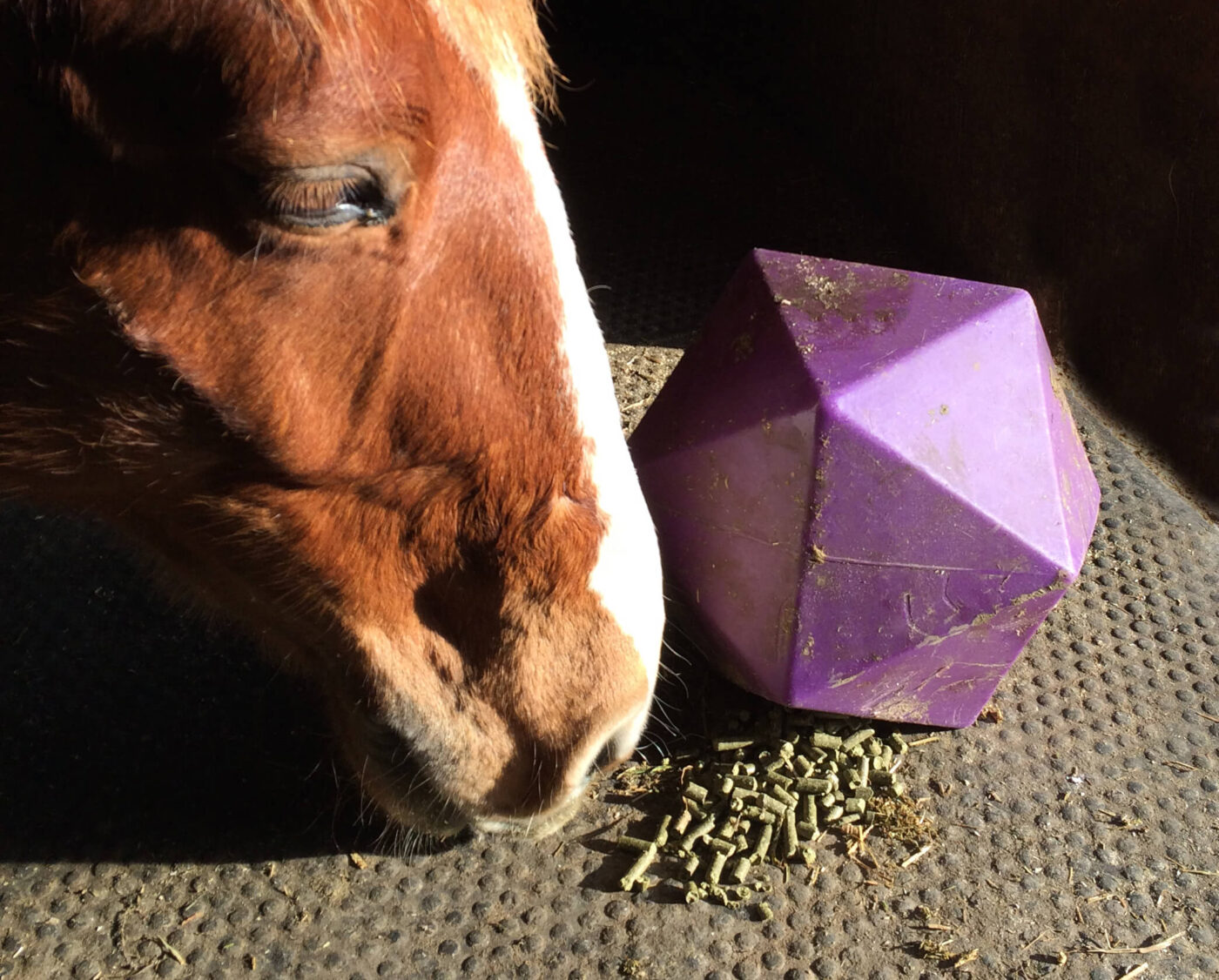
Finding a treat to use in a horse treat ball that contains tasty, healthy ingredients can sometimes be a challenge. Thankfully, our Dengie range consists of a great many different low sugar low starch horse feeds. Our Pure Grass Pellets may just be the perfect addition to your horse treat ball! Providing fibre in a concentrated form, our grass pellets are naturally low in sugar and starch. This product is also FREE from:
- Artificial preservatives, flavours and additives
- Molasses – no added sugar
- Cereals and by-products including straw
- Binders and fillers
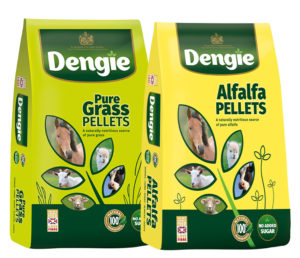
Another great alternative for your horse’s treat ball is our Alfalfa Pellets which are simply 100% alfalfa – rich in calcium and other naturally occurring vitamins and minerals. As alfalfa is naturally low in sugar (5%) Alfalfa Pellets are ideal for horses and ponies that require a low sugar diet such as laminitis prone individuals, including those with Equine Metabolic Syndrome (EMS) and Pituitary Pars Intermedia Dysfunction (PPID). Our Alfalfa Pellets are one of our favourite low sugar low starch horse treats for your horse treat ball.
Did you know: Alfalfa and Pure Grass Pellets are not just a high-fibre source for horses and ponies, other animals such as cattle, sheep, goats and camelids can also enjoy the benefits of these versatile feeds.
For further advice on how to keep your horse occupied during the winter months or whilst on box rest call the Dengie Feedline on 01621 841188 or fill out our feed advice form.
The effect of diet on behaviour has been studied in many species – including humans and rats – but relatively little work has been done to explore the link between diet and the normal behaviour of horses.
Studies in other species and some preliminary work in horses, is starting to reveal the complex relationship that exists between the microbiota in the gut, the microbiome and their impact on the host animal’s mood and behaviour. You may see this described as the gut-brain axis. Whilst this work is in relatively early stages, there are indications that a fibre based diet is beneficial for promoting a healthy microbiome and is advocated for general health and well-being.
In addition, although the digestive system of the horse is very different from the human’s, the concept of Glycaemic Index (GI) still applies and it is important to understand this to appreciate how diet may affect your horse’s behaviour.
What is the Glycaemic Index (GI)?
Glycaemic Index (GI) refers to the effects of food on blood glucose (blood sugar) levels. Foods that cause a large rise in blood glucose are considered to have a high GI or glycaemic response. High-fibre feedstuffs result in a low glycaemic response. Interestingly, research has shown that adding low-sugar fibres, such as alfalfa, to cereals, which are high GI, reduces glycaemic response compared with feeding cereals alone.
Feeding meals of high-starch feedstuffs can cause peaks and troughs in energy, which may influence the normal behaviour of horses. After a high-starch meal, blood glucose levels peak 1.5-2 hours later, which might cause increased reactivity and unpredictable behaviour. Feedstuffs that have a low glycaemic response, such as sugar beet pulp and alfalfa, provide more consistent energy levels than feeds with a high GI.
A horse who is more reactive and difficult to handle is likely to be harder to train and increases the risk of harm to riders, handlers and the horse itself. It’s also not much fun riding a horse who is spooky and unpredictable and it’s particularly frustrating if tense behaviour mars performance.
For further information on the studies of the effect of various diets on GI: Effect of Various Diets on Glycemic Response in Horses – Kentucky Equine Research (ker.com)
“It seems that this is a common problem judging by the number of enquiries about calmers we receive on our feedline”. says Dengie Technical Manager, Katie Williams. “Rather than trying to deal with the symptoms we always start by adjusting the diet to one based on fibre – and oil if additional energy is required – as anecdotal feedback from horse owners supports our belief that this is the most effective way to approach behavioural problems. However, we wanted some evidence to support our theory and we were delighted that project leader Dr Jo-Anne Murray and researcher Louise Bulmer at Edinburgh University were willing to investigate further.”
The Study
Eight mature horses were used, including a selection of Warmbloods, cobs and an Appaloosa, from 14.2hh to 16.1hh. All were maintained in light work for the duration of the study, including jumping and flatwork five days a week. At weekends, the horses were turned out for four to six hours a day. The study took place from January to March, when grazing was very sparse.
Two different diets, both containing exactly the same amount of energy and based on haylage, were fed. One diet included Dengie Alfa-A Molasses Free, with a starch level of 2%, and the other contained a traditional, cereal-based concentrate mix, with a starch level of 22% – a fairly typical level for a medium-energy mix.
The high-starch diet provided 0.7g of starch/kg of body weight (BWT) per meal, whereas the high-fibre diet supplied 0.3g/kg BWT for the same amount of energy – both well within the levels recommended to avoid digestive problems. The horses were divided into two groups and fed each of the two different diets for 28 days in a crossover study.
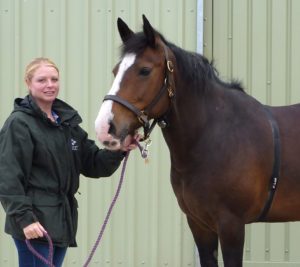 Louise Bulmer measured the horses’ behaviour to see how reactive they were to new situations and equipment. She also measured horses’ heart rates as an indication of stress levels during the tests. They were carried out in early morning with few other disturbances, within a few hours of feeding, when glycaemic response should be at its peak.
The novel stimuli test was carried out in a section of an indoor school. The horse was first familiarised with being released, and free to approach and eat from a feed bowl. Once the study was started, white noise was introduced to one metre behind the feed bowl – a well established test of reactivity. The time taken for the horse to approach and eat from the feed bowl was recorded. A handling test was also carried out where the horse was led to a curtain of red and white strips of plastic, and verbally encouraged to go through – no pulling or force was used. Again, the time taken to pass through the curtain was recorded, along with the behaviour of the horse.
Behaviour Test Results
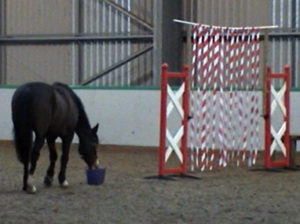 The study showed that horses fed a cereal-based concentrate mix were overall more reactive to new situations and equipment. They were less consistent in their behaviour and had higher heart rates compared with horses fed the fibre-based supplementary feedstuff.
“This suggests that, while high-starch diets are considered to be an effective energy source for humans undertaking increased exercise, they are not necessarily ideal for providing the energy for working horses,” explains Louise.
“Energy may be better provided by feeding a good quality fibre diet instead. This approach would not only promote gut health but as our results suggest would also reduce reactivity, making horses easier to handle from the ground.”
Adding to the Evidence
The results of Louise’s study concur with the results of one other previous study that looked at the effects of diet on a horse’s behaviour. It was carried out on horses with Recurrent Exertional Rhabdomyolysis, the muscle problem previously known as Azoturia or Tying-up. Here, the researchers found that horses fed a high-starch diet became more reactive, demonstrating increased nervousness and excitability compared with when they were fed a diet low in concentrates and high in fibre.
So, although the benefits of high-fibre diets to digestive health are increasingly appreciated, it appears that there is growing evidence that they may also help to create calmer, more manageable horses.
For friendly feeding advice contact the Dengie Feedline on 01621 841188 or complete our Feed Advice form.
Article last updated: 13th December 2024
This summer the Dengie Nutrition Team have seen many horses that have gained weight year on year. This is an increasing trend and equine obesity has been receiving lots of attention. For the sake of our horse’s health and welfare it is important to keep an eye on their bodyweight and put a stop to the expanding waistline.
This guide will provide weight loss tips for horses and outline why winter is the perfect time to encourage weight loss for horses or ponies. We also emphasise why an effective exercise plan for horse weight loss is also important!
Weight Loss For Obese Horses
Being obese puts stresses and strains on the horse’s body – not least their joints which can affect long term soundness and the ability to exercise. Obesity has also been linked to an increased risk of laminitis, especially in those individuals with underlying insulin dysregulation.
Why You Should Embrace Weight Loss Tips For Horses In Winter
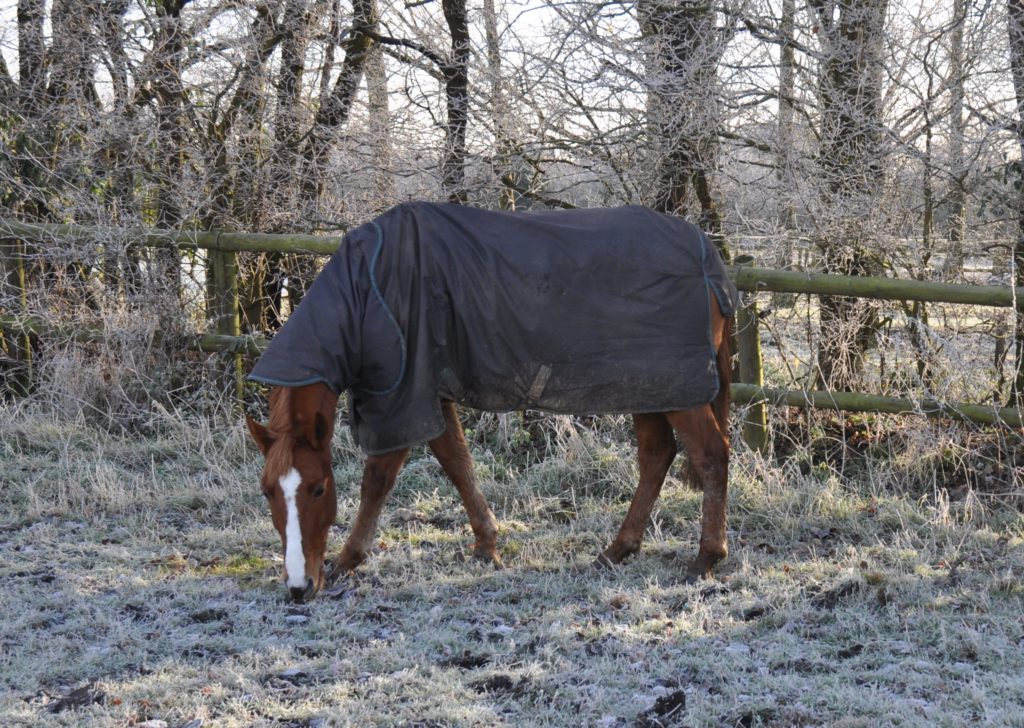
As winter progresses, grass is generally less energy dense as it is more mature. Colder weather slows grass growth and as it is continually grazed, there is less to eat. This, combined with your horse having to use more energy to keep warm in colder conditions, means that it should be an easier time of year for your horse to lose weight. Dengie nutritionist Tracey Hammond, M.Sc (Dist) explains weight loss tips for horses in winter which will help to manage the overweight horse. The key points include:
- Weigh Your Horse – This will help keep track of weight loss
- Weigh Your Feed – This will help control intake
- Avoid ‘Extras’ – Stop feeding the extra calories your horse doesn’t need
- Keep Them Busy – Incorporate an effective exercise plan for horse weight loss and keep them entertained to burn calories
Low Calorie Horse Feeds To Promote Winter Weight Loss In Your Horse
Regardless of the time of year, pasture lacks certain trace minerals including copper, zinc and selenium. These are all important minerals for your horse’s daily diet. Relying on conserved forage and less grazing during winter reduces vitamin E intake, too. Soaking forage could also mean that your horse is missing out on good quality protein. Effective and well-planned weight loss through feed management will ensure your horse is still receiving all the minerals and good quality feed they need to stay healthy.
One of the most important weight loss tips for horses is to avoid the extra calories found in bucket feed, without impacting the supply of good nutrition. A low calorie fibre feed, such as Hi Fi Lite, can be fed to help horses lose weight over winter whilst still promoting chew time. An additional supplement or balancer will ensure you are supplying a balanced ration.
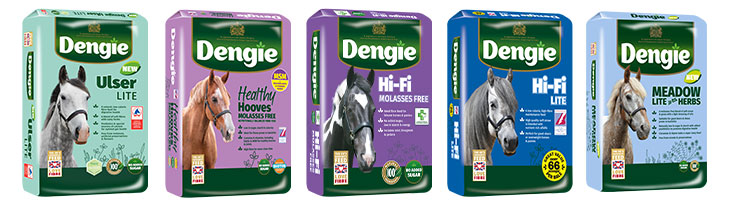
Products From The Dengie Range From That Help With Weight Loss
Hi-Fi Molasses Free combines chopped, pelleted alfalfa and straw with a light rapeseed oil coating and the added herbs mint and fenugreek. It is ideal for fussy horses and ponies as the pellets and herbs add interest Hi-Fi Molasses Free supplies 8.5MJ/kg digestible energy and is suitable for horses and ponies in light work that need a low sugar and starch feeding regime at only 2.5% and 1.5% respectively.
Hi-Fi Lite contains chopped straw and alfalfa with a light molasses coating. At 7.5MJ/kg Hi-Fi Lite is a really low calorie fibre feed and is particularly useful for replacing some of the forage ration if only higher calorie forage like early cut hay or haylage is available. Hi-Fi Lite supplies only 7% sugar which is less than average hay at 10%. Can be used as a low calorie forage replacer.
Healthy Hooves Molasses Free is a low-calorie, nutritionally balanced complete fibre feed supplying essential vitamins and minerals, as long as the recommended levels are fed. Chopped and pelleted alfalfa is blended with straw with a light rapeseed oil coating and garlic. Packed with B vitamins, including Biotin, which are essential for hoof health, Healthy Hooves Molasses Free contains no added sugar and is naturally low in starch making it ideal for those prone to laminitis. It must be fed at the recommended levels to ensure the diet is balanced – if you need to feed less, you can top up with a balancer or supplement.
Ulser Lite is a low calorie fibre feed with added herbs, yeast and prebiotics to promote digestive health. A soft, tasty blend of British grown, chopped, precision-dried grass and high-quality oat straw for maximum fibre content whilst being low in calories. Alfalfa pellets are included to provide a bio-available source of calcium. It has been formulated as a straight feed with no added vitamins and minerals to maximize its flexibility. This means that any amount can be fed according to the horse’s requirements alongside a source of vitamins and minerals such as a balancer or powdered vitamin and mineral supplement to provide a balanced diet. Can be used as a low calorie forage replacer.
Meadow Lite with Herbs is the newest product in the Dengie range and our lowest calorie feed in the range, providing just 5MJ/kg of digestible energy! It is also naturally low in starch (0.5%) and sugar (3%). Soft, tasty meadow grasses are blended with high-quality oat straw to offer a low-calorie feed which does not compromise on chew time. It contains pea hull fibre which is a great source of highly digestible fibre. A range of fibre types is beneficial for digestive health and helps to support a healthy microbiota. The inclusion of postbiotics also supports the gut microbiota for general health and wellbeing. Low in calories should not mean that horse owners have to compromise on taste and interest for their horse. We have therefore enriched Meadow Lite with Herbs with cinnamon and thyme. Can be used as a low calorie forage replacer.
Schedule An Exercise Plan For Horse Weight Loss
If possible, it is important to also put together an exercise plan for your horse to promote weight loss. Increasing your horse’s exercise should be a gradual process to reduce the risk of injury and allow them to build up their stamina. First, it is important to establish that your horse is fit enough for the exercise that you plan to do and, second, to remember that being overweight puts extra strain on your horse, which makes exercise much harder work.
For more information, nutritional advice or further weight loss tops for horses, get in touch with the experts here at Dengie.
Alpacas are popular as pets on small-holdings, as pack animals or even as large commercial herds for cria and fibre production. Alpacas are commonly praised for their kind nature and padded feet that do little damage to pasture.
Originally of the Andean civilisation, alpacas gained popularity amongst the Incas where their fibre was used to produce cloth worn exclusively by nobility. Alpaca fibre is often praised for its softness and quality and is considered second only to silk. Today, the popularity of alpaca fibre (wool) has expanded and although the main production lies within South America, alpaca fibre production is gaining popularity within the UK.
The Digestive System of the Alpaca
There are similarities between the digestive system of the alpaca and the ruminant including the ability to eructate and chew the cud. However, the alpaca stomach only has three compartments compared to four in ruminants, which means that alpacas are often classed as pseudo-ruminants.
The first two compartments are basically fermentation chambers where simple carbohydrates such as sugars and starch and more complex carbohydrates such as fibre are broken down by a microbial population to produce volatile fatty acids (VFAs) which can be used as an energy source by the host animal. In contrast to ruminants, the first compartment of the stomach is not lined with papillae but with gastric pits that produce digestive enzymes and buffers to aid microbial fermentation. The third compartment, also referred to as the true stomach, is where enzymes and acids are produced for digestion of feed.
Fibre is fermented relatively slowly with highly lignified (woody) feeds such as straw, taking several days to break down. In contrast, sugars and starch are fermented very rapidly resulting in a sudden increase in VFAs, which increases the acidity in the stomach. This is known as acidosis and can impair the efficiency of, or kill certain beneficial bacteria in the stomach. The effect of this on the alpaca can be very serious ranging from loss of appetite to diarrhoea and in severe cases death.
What Should Alpacas Eat?
Most Dengie feeds are suitable for alpacas if used in small quantities. If feeding in larger amounts we would recommend the following. The nutrient requirements for camelids including alpacas are largely unknown as limited research has been conducted. Most estimates are based on extrapolations for the nutrient requirements of ruminants particularly goats and sheep. Alpacas weigh between 45kg-80kg and can consume between 1.8%-2% dry matter of their bodyweight daily. For an alpaca that weighs 63kg this would equate to between 1.13kg-1.26kg dry matter daily. Alpacas have evolved to eat a fibre-based diet and their digestive system is most efficient and healthy when their ration is based on fibre.
The most common feeding strategy for alpacas is grazing supplemented with additional hay and at times of higher energy demand such as the winter months, during pregnancy and lactation, additional cereal concentrate rations are provided. Although cereal concentrates provide the extra calories needed, they may cause problems within the digestive system including gastric ulcers, colic and acidosis. Alternatives to using cereals include alfalfa, a quality source of fibre that is very low in starch.
Alfalfa for Alpacas
Alfalfa is a member of the legume family that also includes soya, peas and beans. Legumes are known for being a good source of quality protein and alfalfa is no exception. It is also rich in naturally occurring vitamins and minerals but contains very little starch so is useful for avoiding digestive problems.
Dengie is the largest producer of alfalfa-based feeds in the UK and although they are marketed primarily for horses, they can and are used for a wide range of other animals including camelids. The Alfa-A range is based on pure alfalfa with different coatings whereas the Hi-Fi range combines alfalfa with other fibre sources such as straw and grass.
Generally, the Hi-Fi range with its lower energy values, are ideal for alpacas that maintain their weight with ease. For alpacas with increased energy requirements such as those that are kept for breeding, Alfa-A Original may be more appropriate. Alfalfa Pellets are also suitable for alpacas and are particularly convenient for feeding outside.
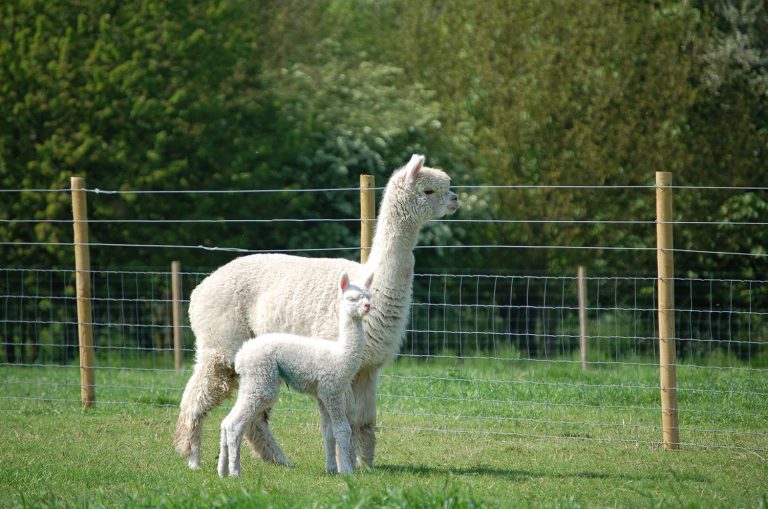
Breeding Alpacas
The gestation period for alpacas is around 350 days and is divided into three trimesters. During the first two trimesters the female alpaca can be fed on maintenance rations and no additional energy should be required. However, she is likely to need a balanced diet of essential vitamins and minerals. A camelid vitamin and mineral supplement or balancer provides very little additional energy and is an ideal way to provide a balanced diet.
The last trimester is when most of the foetal growth occurs and this, as well as during lactation, is when the energy requirements of the female will increase. At this stage, traditional feeding advice would be to offer up to 1kg of cereals per day, however a healthier option would be to use a feed from the Alfa-A range instead.
Suggested ration
- Ad lib hay or grazing
- Between 100 – 250g/day of Alfa-A Original / Alfalfa Pellets
- Camelid balancer at the recommended quantity
Once the young cria is born it will initially rely on its mother’s milk for colostrum and nutrition. As it gets older it will gradually copy its mother and start grazing but it is several months before it can utilise grass as an energy source efficiently. The cria is usually weaned at 4-6 months of age and would require a similar ration to the one described above.
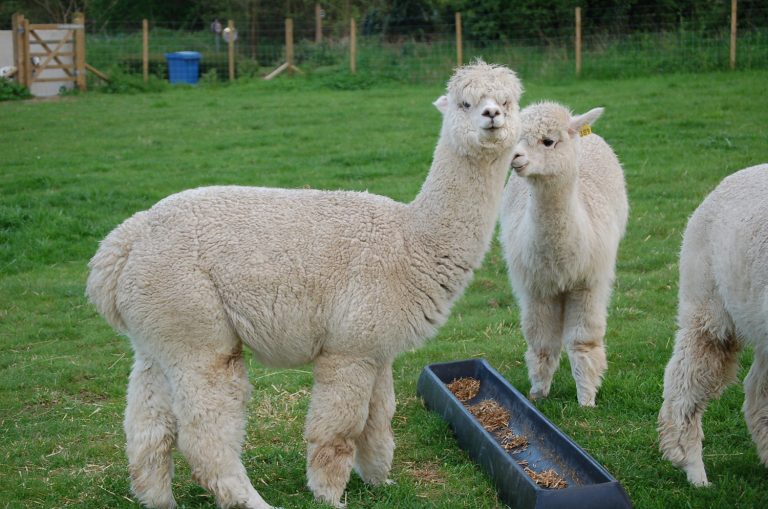
Alpacas and Fibre (Wool) Production
An adult alpaca can produce 3-4kg of fibre per year with 22 basic colours available that can then be spun for fibre and knitwear. In the UK, the predominant type of alpaca is the Huacaya type that is a stocky animal with crimped dense fleece that is a fine, strong, hollow fibre. The other fibre type is the Suri whose fibre hangs in silky ringlets.
The quality and suitability for spinning of the fibre produced is predominantly determined by genetics but nutrition also has a very important role to play. Although protein generated from microbial fermentation in the stomach may meet requirements for low fibre production, it is likely to be inadequate to generate high fibre yields. It is the quality of the protein that is important rather than just the quantity. The quality of a feedstuff’s protein is determined by the proportion of essential amino acids it contains; essential amino acids are those that have to be supplied in the diet. For fibre production the essential amino acid methionine is particularly important as are the minerals calcium and zinc and the vitamin biotin. Alfalfa is a fibre source that provides good levels of all these nutrients.
Suggested Ration at Maintenance
- Ad lib hay or grazing
- Hi-Fi Original / Hi-Fi Lite / Hi-Fi Senior between 100 – 250g as a bucket feed
- Camelid balancer or vitamin and mineral supplement at the suggested rate
Dengie’s Hi-Fi range of fibre feeds may alternatively be used as a hay replacer if required.
For help and advice on feeding Alpacas please call 01621 841188.
In the UK, goats are kept for a number of purposes including dairy and fibre production as well as much loved pets. Nutritional requirements will therefore vary considerably between individuals according to their vocation, life stage and reproductive status. It is important to ensure the diet is appropriate for the goats needs as over as well as under feeding can be to detrimental health.
Digestive System
Goats are a ruminant meaning that they have four compartments that make up their ‘stomach’ – the reticulum, rumen, omasum and abomasum. The reticulum and rumen are home to a large dynamic population of bacteria that are responsible for the fermentation of carbohydrates to produce volatile fatty acids or VFAs that the body uses as an energy source.
Fibre is fermented relatively slowly with highly lignified or ‘woody’ feeds such as straw taking several days to break down. In contrast, sugars and starch are fermented rapidly producing a very acidic environment, which can result in the death of certain beneficial fibre digesting bacteria. As a result the goat may experience loss of appetite and diarrhoea and in severe cases death may occur. A high fibre diet is therefore generally accepted as a healthier option for feeding goats to reduce the likelihood of digestive disturbance.
Benefits of Alfalfa for Goats
Alfalfa is a legume, which means that it can fix nitrogen from the atmosphere that is then converted to protein in the plant. Alfalfa is therefore a naturally excellent source of good quality protein and is particularly useful for breeding stock and dairy goats where protein requirements are greatest.
The deep root system of the alfalfa plant allows it to accumulate minerals from the soil, which are then incorporated into the plant. Alfalfa is a source of highly bioavailable calcium compared to inorganic sources such as limestone.
Alfalfa is also a natural buffer to acidity within the digestive tract, which is thought to be due to the levels of protein and certain minerals it contains. Feeding cereals creates a more acidic environment in the digestive tract and if cereals have to be included in the ration, an alfalfa based feed alongside the ‘concentrate’ ration may be beneficial to help buffer acidity in the digestive tract.
Alfalfa is a more digestible source of fibre compared to other sources such as straw. Therefore alfalfa based feeds can go a long way to help meet the energy requirements of many goats. For production or breeding goats Dengie Alfa-A Original is generally more suitable, whereas for those that are pets the Hi-Fi range of products may be more appropriate. As goats are naturally browsers rather than grazers, offering alfalfa alongside grass forages provides a choice of forages for the goat to choose between thereby allowing a more natural feeding behaviour.
Dengie Products for Goats
Hi-Fi Original and Hi-Fi Lite are the ideal low calorie fibre feeds for goats who hold condition easily, or as a hay-replacer when good quality hay or grazing is short. The combination of high temperature dried alfalfa and quality straw provides clean, consistent forage with a similar nutritional value to hay.
Hi-Fi Senior combines high temperature dried grasses and alfalfa and is ideal for goats with poor dentition or fussy feeders. Hi-Fi Senior can also be used to totally replace forage and both the grasses and alfalfa in Hi-Fi Senior have been high temperature dried. Hi-Fi Senior has a nutritional quality comparable to top quality hay.
Alfa-A Original combines high temperature dried alfalfa with a light molasses coating. Alfa-A Original is particularly useful for young growing animals, pregnant and lactating does and show animals.
Alfa-Beet combines alfalfa and unmolassed sugar beet. Dengie Alfa-Beet provides a highly digestible source of fibre and if it is fed soaked to a mash is great for fussy feeders. Alfa-Beet has a 2-hour cold soak or 15 minute hot soak time.
Alfalfa Pellets are pure pelleted alfalfa with nothing else added. Alfalfa Pellets are useful for reducing waste when feeding outdoors and also for animals with limited fibre appetites.
Suggested Goat Rations
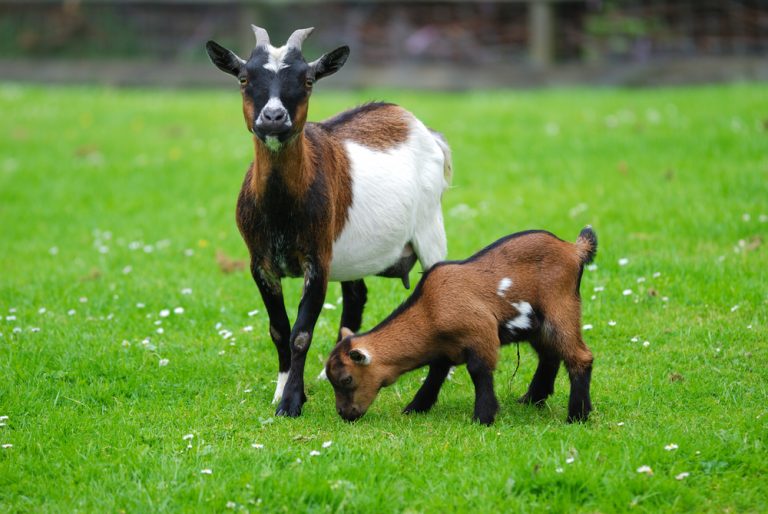 Breeding Does
Suggested diet for Lactation
- Ad-lib quality forage
- 0.5 Kg of Alfa-A Original
- 0.5 Kg of Alfa-Beet (dry weight)
- Suitable mineral supplement or balanced concentrate
Fibre Goats
Although many factors can influence fleece production such as genetics, age and environment, poor nutrition can result in lower production rate and lighter fleece and therefore should be addressed.
Although a fibre goat’s energy requirement isn’t as high as a dairy goat, they do have a high need for specific nutrients such as essential amino acids, calcium, zinc, and biotin – all of which are found naturally in alfalfa.
Suggested Fibre goat diet
- Ad-lib quality forage
- 1 Kg of Alfa-A Original
- Suitable mineral supplement or balanced concentrate
Companion Goats
Goats kept as companion animals or that are resting from dairy or fibre production have much lower energy and protein requirements. Often grazing and hay are sufficient for good health and condition but if this isn’t available feeds from the Hi-Fi range are often suitable alternatives.
The quality of forage available and the animal’s condition will determine which feed is most suitable but in most cases Hi-Fi Original is ideal. For any goats that struggle to hold condition then Alfa-A Original, Alfalfa Pellets or Alfa-Beet may be required.
Suggested diet for Maintenance
- Ad-lib forage
- 1Kg of Hi-Fi Original
- Suitable mineral supplement
Article last updated: 25th March 2025
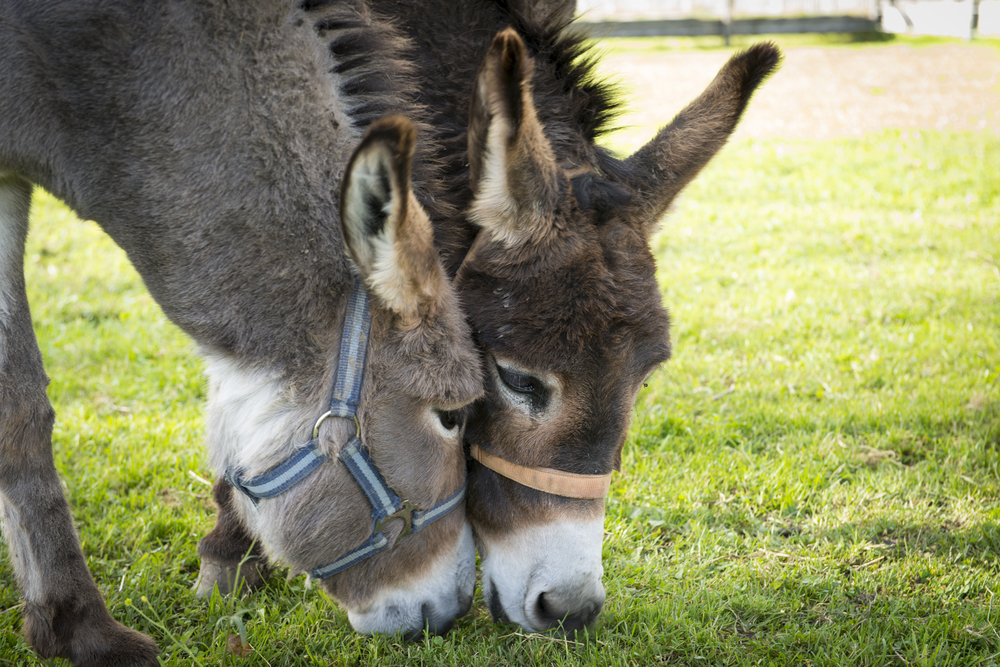
The donkey has been the traditional ‘beast of burden’ and in many countries is still a working animal. Originating from arid and semi-arid areas, donkeys have evolved to survive on tough, stalky forage which has a low nutritional value. In the UK however, the donkey has become much more of a ‘pet’ or companion animal and their affectionate nature makes them a treasured member of any family. This leisurely lifestyle often means that donkeys are fed far more than they require which can lead to problems such as obesity and laminitis. Good care also means donkeys are living much longer and can commonly have age associated dental problems that require dietary change.
How do I know if my donkey is a healthy weight?
Regularly monitoring your donkey’s weight is key to identifying weight changes over time. Any change in weight can help you to identify if a dietary change is required to reduce energy intake to prevent further weight gain or to increase energy intake to prevent further weight loss. Unexpected weight loss may also be linked to ill health or dental problems and should be discussed with your vet. To monitor your donkey’s weight, use the Donkey Sanctuary’s Donkey Weight Estimator Chart and Donkey Body Condition Score Chart.
How much does a donkey eat?
Like other herbivores, the donkey has evolved to spend most of the day eating so that they can consume sufficient low nutritional value forage to meet their requirements in the wild. Research has found the physical format and tastiness can influence how much a donkey eats, but for those consuming long stem forage it is estimated that they can consume 1.3-1.8% of their bodyweight on a dry matter basis daily (cited in Burden & Bell, 2019). For a 180kg donkey this is between 2.34kg and 3.24kg dry matter, which is 2.63-3.6kg straw of forage as fed (assuming it is 90% dry matter).
It has been described that the maintenance requirements of donkeys are easily met by forage but a source of minerals and vitamins and plenty of clean water are required to balance the diet (Smith & Burden, 2013).
In the summer months it is recommended that the donkey’s forage intake is made up of 70-75% straw to 25-30% hay and in the winter 50-75% hay and 25-50% straw (Smith & Burden 2013) to reflect changes in energy requirements due to the weather conditions. As browsers, it is also advised that safe logs and branches should be provided to satisfy the donkey’s natural browsing behaviours (Burden & Bell 2019).
Managing obesity & laminitis in donkeys
Donkeys are very efficient at getting the most out of the feed they are given and so they can put on weight quickly if given high calorie forage or feed. If a significant weight loss is needed then dieting must be done with care and veterinary supervision is recommended due to the donkey’s susceptibility to hyperlipemia, a condition which results in excessive levels of fat in the blood accumulating due to a sudden reduction in energy intake. Hyperlipemia can be fatal and any change in your donkey’s overall behaviour and appetite should be taken very seriously with veterinary help sought immediately. If the donkey is sound, exercise should be increased in addition to longer term dietary changes which should be made very gradually over 4-6 weeks (Smith & Burden 2013).
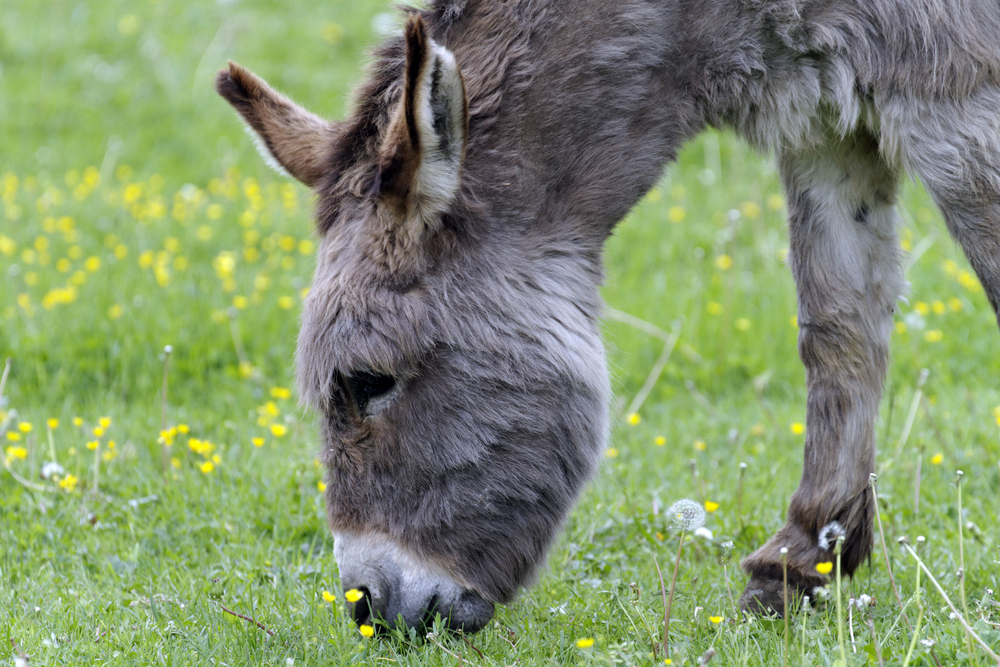
Donkey metabolic syndrome (DMS) is the most common endocrine disorder in donkeys and has obesity and insulin dysregulation as the main clinical features in addition to repeated episodes of laminitis (Mendoza et al., 2024). Given the similarities to equine metabolic syndrome (EMS) some of the management advice is the same.
To manage laminitis risk, we need to aim to maintain our donkeys at a healthy weight and limit their intake of non-structural carbohydrates (NSC) which combines simple sugars and fructan (water soluble carbohydrate (WSC)) plus starch.
Unrestricted access to grass will supply far in excess of a donkey’s requirement for energy rapidly resulting in obesity and also contains highly variable amounts of NSC so needs to be managed. Those with DMS that are laminitis prone many need to be completely removed from pasture and fed ad lib straw in a grass free area with their companions. For those that can have some grass access strip grazing or reducing the size of the grazing area are practical means for reducing grass intake whilst having access to friends, multiple straw stations, toys, and safe logs and branches to encourage social behaviour, movement, foraging and browsing behaviour.
Straw should be the predominant forage source for the dieting donkey as it is a lower calorie forage source for them, but if the donkey hasn’t previously been accustomed to straw in their diet, in addition to a gradual introduction and closely monitoring intake, their teeth should be checked and consistency of droppings monitored to make sure that they can manage to chew and digest the straw well. Any unexpected reduction in forage intake or forage refusal, dullness and lethargy should be addressed quickly by seeking the advice of a vet.
What about bucket feed?
Given that most donkeys can exceed their energy requirements from limited grazing and conserved forage alone there is little rationale for providing a bucket feed other than to make up for dietary shortfalls of vitamins and minerals. Most mixes and cubes for horses are unsuitable for donkeys as they are very energy dense. A fibre-based feed that is low in sugar and starch makes a good basis to the ration and a vitamin and mineral supplement or balancer can be added to balance the diet.
Dengie Healthy Hooves Molasses Free, Hi-Fi Molasses Free, Hi-Fi Lite, Ulser Lite and Meadow Lite with Herbs are Dengie’s lower calorie and sugar products that are suitable to give as a small bucket feed for the donkey. Healthy Hooves Molasses Free contains added vitamins and minerals which, when fed at the recommended feeding rate of 500g per 100kg of bodyweight daily, will provide a balanced diet. The other Dengie feeds are straights and so need to be feed alongside a broad-spectrum vitamin and mineral supplement or balancer for a balanced diet.
Cocoa & William Case Study
Cocoa and William were rescued many years ago from a market where they had arrived separately but both sick and emaciated. They were rescued by Remus Memorial Horse Sanctuary in Essex and since then have lived with a herd of donkeys at the Sanctuary and have remained closely bonded. With the right care and attention, Cocoa and William were soon back to a healthy weight and the challenge now, as with many other donkeys, is keeping their weight under control to avoid weight gain.
Cocoa and William are regularly weighed on the Sanctuary’s weighbridge and Cocoa currently weighs 221kg and William 258kg. They live in a paddock as part of a herd with sparse grazing to help manage their weight. In addition to grazing, during the summer they have the following daily ration which is supplemented with some hay in the winter.
- Straw ad-lib
- Dengie Meadow Lite with Herbs 250g or approx. 1 large round Stubb’s scoop each
- A vitamin and mineral supplement at the manufacturer’s recommended quantity
- A little water to mix the supplement with the Meadow Lite with Herbs to stop it from falling to the bottom of the bucket
When it comes to weight management every little bit of movement helps. Cocoa, William and their herd mates have their water positioned at one end of the field and then their straw ration at the other divided into multiple feeding stations. Some of the straw is also put into a hay ball to encourage movement and to slow the rate of intake.
Managing dental deterioration in donkeys
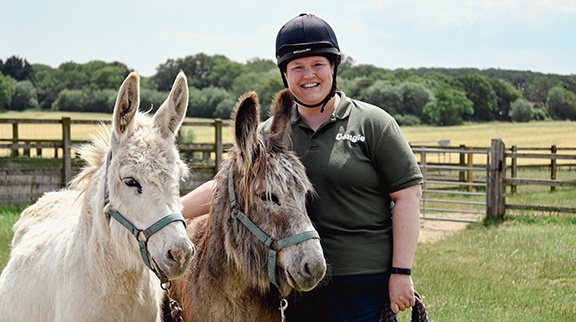
Older donkeys can have loose or worn teeth which not only makes chewing difficult but can also result in pain resulting in a reduction in forage intake. Ensuring donkeys with poor dentition are fed sufficient fibre is vital for maintaining their health as low fibre intakes are associated with gastric ulcers and colic. Weight loss can also result and if due to dental pain or digestive issues a donkey stops eating, it further increases the risk of hyperlipemia.
For donkeys that are struggling to chew their usual long stem forage ration, the first step is to try short chopped fibre feeds. Those that are high in fibre and low energy, sugar and starch are most suitable as if the donkey has usually been a good doer, once they are fed forage in a form that they can manage to chew they are likely to gain and or maintain weight again easily. From the Dengie range products that can be used as total forage replacers include Hi-Fi Lite, Ulser Lite and Meadow Lite with Herbs.
For those that do struggle to maintain weight with poor dental condition the addition of more digestible fibre sources such as alfalfa, grasses, and unmolassed sugar beet can help. Dengie Alfa-Beet is a soaked fibre feed that can be fed as a part forage replacer and can be combined with any Dengie chopped fibre feed if appropriate.
What about those with higher energy requirements?
For donkeys with higher energy requirements such as breeding stock or working donkeys, it is much more appropriate to use more digestible sources of fibre and some added oil to meet their higher energy needs rather than using cereal based conditioning feeds which contain high levels of starch which can exacerbate any underlying insulin dysregulation.
A higher ratio of hay to straw can be used in the forage ration to boost energy intake where required and when it comes to the bucket feed alfalfa and sugar beet are more digestible fibre sources to use. Assuming the donkey has no dental problems Dengie Alfa-A Oil, Alfa-A Molasses Free or Healthy Tummy can be used, or Alfalfa Pellets and Alfa-Beet for those with poor dentition.
References
- Burden, F.A., and Bell, N, (2019) Donkey Nutrition and Malnutrition, Vet Clin Equine, 35, 469-479 https://doi.org/10.1016/j.cveq.2019.08.004
- Mendoza, F.J., Toribio, R.E., and Perez-Ecija, A. (2024) Metabolic and Endocrine Insights in Donkeys. Animals , 14, 590. https://doi.org/10.3390/ani14040590
- Smith DG, Burden FA. Practical donkey and mule nutrition. In: Geor R, Coenen M, Harris P, editors. Equine applied and clinical nutrition. Philadelphia: Saunders; 2013. p. 304–16.
Alfalfa is a perennial legume related to the pea and bean family. Being a legume, alfalfa provides excellent levels of good quality protein and due to a deep root system also provides naturally occurring minerals. Dengie alfalfa is harvested at a young age and then high temperature dried. This helps to retain nutrients and provides a consistently clean forage source. As a digestible source of fibre, when fed as part of a nutritionally balanced diet, alfalfa makes a great addition to any rabbit ration.
Key Nutritional Benefits
Alfalfa for Fibre – As a herbivore, fibre is crucial for the rabbit’s digestive health. Low levels of fibre, combined with high levels of cereal in the rabbit’s diet can result in digestive disturbances such as diarrhoea. Feeding fibre helps to maintain peristalsis as well as maintaining gut pH. This promotes a favourable gut environment that allows beneficial bacteria to thrive.
Dengie alfalfa is naturally low in sugar and starch and is harvested when the plant is young. This means that alfalfa provides a more digestible source of fibre compared to plants cut at a more mature stage, such as timothy hay. In practice this means that alfalfa can make more of a contribution to a rabbit’s energy requirements, which in turn can help reduce the reliance on cereals.
Feeding Dengie chopped alfalfa also promotes increased chewing time compared to feeding cereals. This not only helps with efficient teeth wear but also promotes natural feeding behaviour helping to keep your rabbit occupied for longer.
Alfalfa for Protein – As a legume, alfalfa provides excellent levels of good quality protein including the essential amino acids lysine, threonine and tryptophan. Protein is important in the rabbit’s diet for growth, reproduction, cell renewal and tissue repair.
Alfalfa for Vitamins and Minerals – Hutch kept animals may be vitamin D deficient as naturally sunlight would promote vitamin D synthesis. Alfalfa provides a natural source of vitamin D, therefore adding alfalfa to the ration may be particularly beneficial in the winter months.
Rabbits require a ratio of 1.5-2:1 calcium to phosphorus in their diet for optimal bone and teeth strength. Cereals provide a ratio of 1:5 calcium to phosphorus whereas alfalfa provides a ratio of 5:1. In practice this means that alfalfa can be used to naturally balance cereals in the diet. Alfalfa is also an abundant source of β-carotene which is a precursor for vitamin A and is important for fertility and the survival of young rabbits. Alfalfa also supplies vitamin E which is an important antioxidant.
Alfalfa for Essential Fatty Acids – A rabbit’s natural diet would provide higher levels of omega-3 than omega-6 essential fatty acids. Using a fibre based ration that includes Dengie alfalfa helps to maintain this natural ratio. This is important as research suggests that elevated omega-6 puts the body in an inflammatory state increasing the risk of allergies and skin problems.
As alfalfa provides good quality protein, naturally occurring vitamins and minerals and promotes a naturally good ratio of omega-3 it is an excellent choice for showing success as all of these factors result in fantastic skin and coat condition.
Dengie Products for Rabbits
Alfalfa Pellets are pure pelleted alfalfa with no added molasses, binders or additives. For breeding stock or rabbits that struggle to maintain condition. Can be soaked to a mash for rabbits with dental problems. Approx size 5-6mm pellet. 20kg bag
Alfa-A Original combines pure alfalfa with a light molasses coating. For breeding stock or rabbits that struggle to maintain condition. 20kg bag
Hi-Fi Original combines alfalfa and top quality straw with a light molasses coating. For rabbits that maintain weight with ease and can also be used to extend the usual hay ration. 20kg bale
Hi-Fi Lite combines alfalfa and top quality straw with a low sugar coating. Hi-Fi Lite provides around half the sugar found in typical hay. For rabbits that maintain weight with ease and can also be used to extend the usual hay ration. 20kg bale
Hi-Fi Senior combines high temperature dried grasses and alfalfa with a low sugar coating. Particularly palatable for fussy feeders and the short chop format of Hi-Fi Senior makes it very easy for animals with dental problems to chew. Both the alfalfa and grasses in this product have been high temperature dried producing a consistently clean fibre source, which can be used to completely replace hay. 20kg bale
Hi-Fi Molasses Free combines chopped and pelleted alfalfa and straw with a light oil coating and the added herbs mint and fenugreek. For rabbits that maintain weight with ease. Low in sugar and starch. 20kg bale
Pure Grass Pellets are simply 100% naturally grown meadow grass with no added sugar. Free from artificial flavours, preservatives, molasses, straw, binders and fillers. Can be soaked to a mash for rabbits with dental problems. 20kg bag
| Alfalfa Pellets | Alfa-A Original | Hi-Fi Original | Hi-Fi Lite | Hi-Fi Senior | Hi-Fi Molasses Free | Pure Grass Pellets |
|
|---|---|---|---|---|---|---|---|
| Dry Matter % | 90 | 88 | 88 | 88 | 88 | 90 | 90 |
| Protein % | 16 | 14 | 10 | 10 | 12 | 10 | 18 |
| Fibre % | 32 | 27 | 35 | 35 | 30 | 35 | 20 |
| Oil % | 2.5 | 2.5 | 1.5 | 1.5 | 2 | 6.5 | 3 |
| Ash % | 10 | 10 | 9 | 9 | 10 | 9 | 10 |
| Calcium % | 1.5 | 1.5 | 0.8 | 0.8 | 1 | 1 | 0.72 |
| Phosphorus % | 0.25 | 0.25 | 0.14 | 0.14 | 0.2 | 0.2 | 0.3 |
Suggested Feeding Rate
Dengie pure alfalfa products can be fed at 15-20% of the total diet whilst the Hi-Fi range can be fed ad-lib.
Scottish farmers have suffered one of the worst harvests this year, with the result that forage quality is extremely mixed.
However, all is not lost – high temperature dried lucerne can play a valuable role on farms faced with the prospect of having to feed poor silage.
According to Trevor Rees, Dengie Product Manager, livestock farmers in Scotland and the north of England are facing a challenging winter with poorer quality first cuts and lighter subsequent cuts. At the same time, alternative feeds are already in short supply making ration formulation particularly difficult.
 “Silage stocks will have to be stretched to last the winter while at the same time it will be essential to feed sufficient fibre to ensure effective rumen function,” he said.
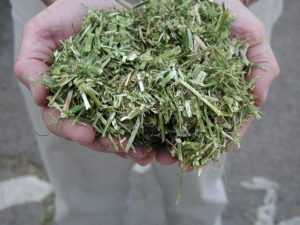
Trevor suggests that Rumiplus dried lucerne could be an ideal ingredient because the rumen buffering capacity and rumination provided by the scratch factor and structural fibre will help encourage rumen health and ensure a more consistent rumen pH, even where more concentrates have to be fed. He says that wet, acidic silages will require extra buffering irrespective of the levels of rapidly fermented carbohydrates fed as cereals. “The natural way to buffer rumen is through rumination and saliva production. The target is 50,000 chewing movements per day, equivalent to 20-20 minutes chewing per kgDM fed. Supplying high levels of quality fibre, Rumiplus averages 40-80 minutes chewing/kgDM, stimulating increased saliva production. And, at 88% dry matter it will help stimulate overall forage intakes by giving a more open structure to the diet which combined with a pH of 6.5-7, has a natural buffering effect.”
At 10MJ ME and 17% protein, dried lucerne delivers the structural and buffering benefits without reducing nutrient density of the whole diet, unlike straw or hay. The high temperature drying process also reduces the degradability of protein meaning bypass protein levels are increased. Typical feed rates are 1.5-4.0 kg/cow/day.
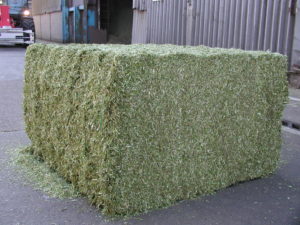
“Rumiplus is supplied in 420kg bales making it quick and easy to incorporate into a TMR with minimal waste. Farmers looking for a cost-effective way to eke out silage stocks this winter will find that dried lucerne can help improve rumen health and forage utilisation offsetting some of the impact of the difficult summer,” Trevor comments.
For further information on Rumiplus click here or alternatively contact Trevor Rees on 07802 829525