

Zoos play a key role in conservation and education. Animal welfare is of the utmost importance and providing the right diet for the wide range of different species they care for is key to the success of breeding programmes as well as the health and wellbeing of the animals. Just as horses are herbivores and so require a high fibre diet, so are many zoo animals and finding the right sources of fibre is vital. Understanding zoo animal diets depends on a number of things which we cover in the article below.
Animals in their natural habitat
In their natural environment, browsers such as antelopes and giraffes generally wouldn’t have a problem finding suitable high fibre materials. In Africa, they would usually feed on acacia and other browse material which are very nutritious with appropriate fibre levels. Acacia has spines which animals have to use their long tongues to negate; this is believed to be so they can’t strip leaves, preventing complete defoliation of the plant. Browsers such as Okapi are able to select desirable items of browse material by reaching up into the canopy with their tongue which can extend to around 18 inches!

History of feeding zoo animals
Historically, most zoo animal nutrition for browsers was based on what suited giraffes as they have been relatively common in zoos. This led to many other species being fed inappropriately, often being given too much grass-based forage as this was most readily available, but even holly was picked and conserved for zoo animals in the 17th and 18th centuries. Inevitably, like horses and other farm animals, zoo animals have also been fed cereal based feeds designed for intensive livestock production. Just as with horses and other livestock, high cereal diets can cause significant issues in the digestive system, such as acidosis due to rapid rumen fermentation in zoo animals too. Inappropriate nutrition also resulted in poor dentition and acute mortality syndrome in some zoo animals as well.
Over the last decade in particular, there has been a concerted effort to grow sources of browse material for zoo animals. It can be difficult to source browse material in larger quantities, so some zoos now have their own plantations using plants such as willow which is quick growing, to provide sufficient material for the animals. Alongside this, alfalfa has made a significant improvement to zoo animal diets and is easy and efficient for zoo keepers to use.
Feeding alfalfa to zoo animals
Alfalfa has a very different botanical classification and cell structure to grass, but has a protein and nutrient content similar to acacia which makes it very suitable for feeding to a wide range of zoo animals. As ever, the closer to the natural diet the better for the animal and the lower risk of problems.
Alfalfa provides more quality protein compared to grass as well as being a more digestible fibre source. Grass hay has a high silica content which is an abrasive material that wears down teeth. Feeding too much grass hay to browsers such as giraffes, whose teeth have a low crown and thin layer of enamel, can result in excessive dental wear due to the silica content. Alfalfa has a naturally low silica content so is much less abrasive to teeth compared to grass.
Andy Beer is a nutritionist specialising in zoo animals and is a strong believer in feeding alfalfa. Andy previously ran training schemes both in the UK and internationally for zoo keepers. Having taught nutrition at University level for more than 20 years, he became a zoo nutritionist for 11 years at the Royal Zoological Society of Scotland with their two animal collections at Edinburgh Zoo and the Highland Wildlife Park. Andy now works freelance giving nutritional training and advice to a number of different zoos in the UK, Europe and the Middle East.
“Alfalfa is the best alternative to natural browse” says Andy. “It is highly beneficial to a number of different species due to its structure, composition, fermentation characteristics and low silica content. I also value its high calcium and magnesium content compared to grass. Adequate and appropriate nutrition is not something that should happen by coincidence but should be properly planned for zoo animals and using high quality feeds is vital for their welfare”.
Andy uses a variety of formats of alfalfa including hay or haylage, as well as chopped and pelleted alfalfa such as Dengie Alfalfa Pellets or feeds in the Dengie Alfa-A range. Andy has also been training our team of nutritionists and feed advisers to ensure we are best placed to provide support and advice for zoos too. “Although there are some key principles that apply to horses and zoo animals, the scales of what these animals can consume is amazing” commented Tracey Hammond a senior nutritionist at Dengie. “An elephant may consume over 100kgs a day which is about 50 times more than a very large horse should be eating!”
Feeding at Paradise Wildlife Park
Paradise Wildlife Park in Hertfordshire have been feeding Dengie Alfa-A Original to their various zoo animals for over 15 years. The animals fed on Dengie Alfa-A Original include Lowland Tapir, Plain Zebra, Bactrian Camels and Red Deer.
“At Paradise Wildlife Park we have used Dengie’s Alfa-A Original for many years now across various species” explains James Cork, Head Keeper. “We mix the Alfa-A Original alongside their concentrate feeds and have found this to be a great product for increasing the animals’ roughage. It’s clear to see that all the animals enjoy their Alfa-A, particularly our Bactrian Camels who love grabbing mouthfuls out of their feed buckets before we have even placed the food in their troughs!”
The animals at Paradise Wildlife Park are fed hay and straw alongside their Alfa-A Original as well as a specialist browser pellet to provide them with the vitamins and minerals they need. They also eat a variety of different fruits and vegetables such as peppers, pumpkin and carrot. They have various forms of enrichment including treat balls, branches and forage at varying levels including hay racks and feed troughs.
If you have any questions or would like more information on zoo animal nutrition, don’t hesitate to get in touch with our team today via the Dengie Feedline: 01621 841188.
Dengie also recently organised a webinar on Saving and Caring for Exotic Species with guest speakers Tullis Matson, founder of Nature’s Safe and Andy Beer, zoo animal nutritionist of Zoocraft Limited. The recording of the webinar can be found on our YouTube Channel.
Shetland ponies are popular as companions, children’s ponies, or pets due to their lovable nature, cute appearance, and cheeky characters. They originate from the Shetland Isles in the North of Scotland which is a harsh environment relative to most of the UK. This means the grazing is sparse so it’s no surprise that when they are given access to lush pasture, they can easily become overweight and are prone to issues such as laminitis.
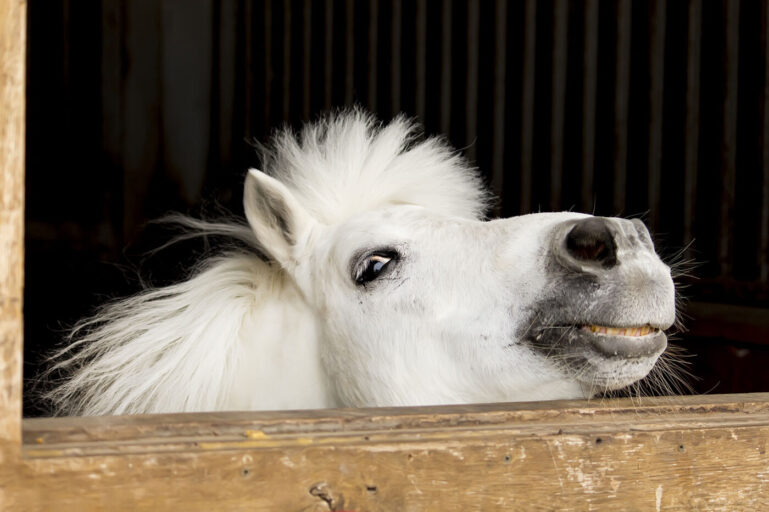
What to Feed a Shetland Pony
What to feed Shetland ponies will depend on the individual but, in general, forage and some access to grass will be the majority of most Shetland pony’s diets. In most cases, access to grass will need to be limited – the challenge with Shetlands is usually keeping them on a calorie controlled diet!
However, like any horse or pony it is important to provide them with all the vitamins and minerals they need for a balanced diet. UK pastures lack a number of trace minerals including zinc, copper and selenium as well as vitamin E in conserved forages. Vitamins and minerals are important for many different functions such as energy breakdown and utilisation and as part of the body’s antioxidant defence system. This means we need to supplement the vitamins and minerals in their ration to provide them with a balanced diet.
Shetland Pony Feed from the Dengie Range
Dengie Healthy Hooves Molasses Free is a complete feed so when fed at the recommended quantity of 500g per 100kg bodyweight per day, will provide all the vitamins and minerals needed for a balanced diet as well as biotin for hoof health and MSM for joint support. It is low in calories, sugar and starch making it ideal for feeding Shetland ponies who maintain their weight easily.
“Dengie Healthy Hooves Molasses Free is perfect for Little Alf” explains Hannah Russell. “It helps me keep a watch on his waistline, whilst the vitamins and minerals keep his hooves and joints in perfect condition which is very important when he has to look good for his adoring public!”
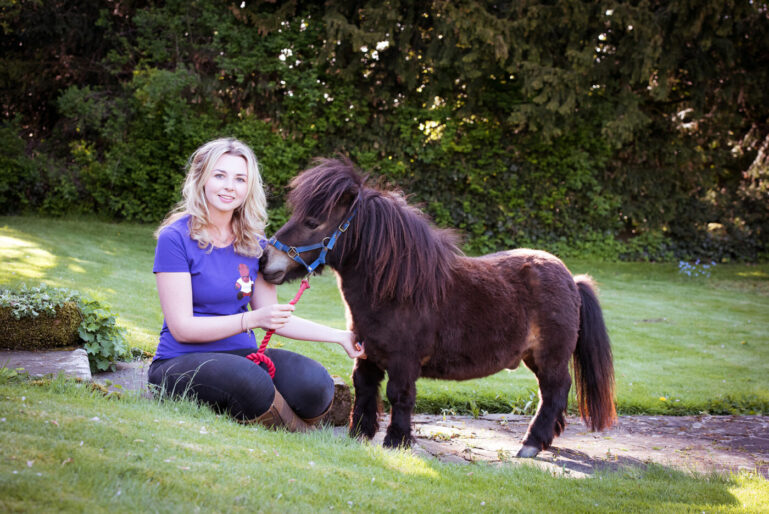
Dengie Hi-Fi Lite or Hi-Fi Molasses Free are two other great options for feeding Shetland Ponies that are good doers. Both the Hi-Fi Lite and Hi-Fi Molasses Free are low in calories, sugar and starch. They don’t have added vitamins and minerals so we would suggest feeding a feed balancer or powdered vitamin and mineral supplement alongside.
Shetland Pony Feeding Guide
| Bucket Feed | Miniature Shetland (Approximate weight 100kg) | Standard Shetland (Approximate weight 200kg) |
|---|---|---|
| Healthy Hooves Molasses Free | 500g or 1 Stubbs scoop per day | 1kg or 2 Stubbs scoops per day |
| Hi-Fi Molasses Free & Basic Spec Vits & Mins | Up to 500g per day & Manufacturers Feeding Rate | Up to 1kg per day & Manufacturers Feeding Rate |
| Hi-Fi Lite & Basic Spec Vits & Mins | Up to 500g per day & Manufacturers Feeding Rate | Up to 1kg per day & Manufacturers Feeding Rate |
Forage and Grazing
How much hay to feed a Shetland pony would depend on the individual. For good doers and overweight ponies, we would suggest feeding 1.5% of their bodyweight dry matter in fibre per day. This can be reduced if they are out at grass. For example, a Shetland out at grazing 24/7 may not need any additional hay if there is enough grass available.
It can also be a good idea to soak your Shetland’s hay if they are a good doer to help reduce the sugar content. Using small holed haynets and double netting will also help their hay allowance last them longer.
You may also want to restrict your Shetland’s grazing where possible to help reduce the amount of grass they are able to eat, particularly if they are overweight or prone to laminitis. Grazing can be restricted by methods such as strip grazing, wearing a grazing muzzle, creating a track system, moving them to a barer patch, or reducing the time they are out at grass for.
Feeding Shetland Ponies Treats
We often get asked about feeding treats, for example, can you feed a Shetland Pony Carrots? Shetlands and other breeds of native ponies can have carrots, apples and other treats but we would suggest feeding them in very small quantities. Although one or two carrots will only make a small contribution to the overall ration, in extreme cases every gram counts so they should be used sparingly.
For more information on what to feed a Shetland pony or for help and advice on all aspects of feeding call the Dengie Feedline: 01621 841188 or complete our Feed Advice Form.
The process of taking a racehorse out of training is often referred to as “letting down” which really refers to the process of the horse’s body and mind transitioning from one of an athlete, to that of a leisure or even breeding animal. In a literal sense, the horse will lose the very tight, lean greyhound-like physique and develop more of an expanded belly. There is no set timeframe; some horses take longer to let down than others and many factors contribute to the time it takes including the time of year. It can often take a year for the change to be noticeable or for a mare to conceive if she is going to stud. The general rule with making the transition is not to rush – the more time you can take, the greater the chance of success.
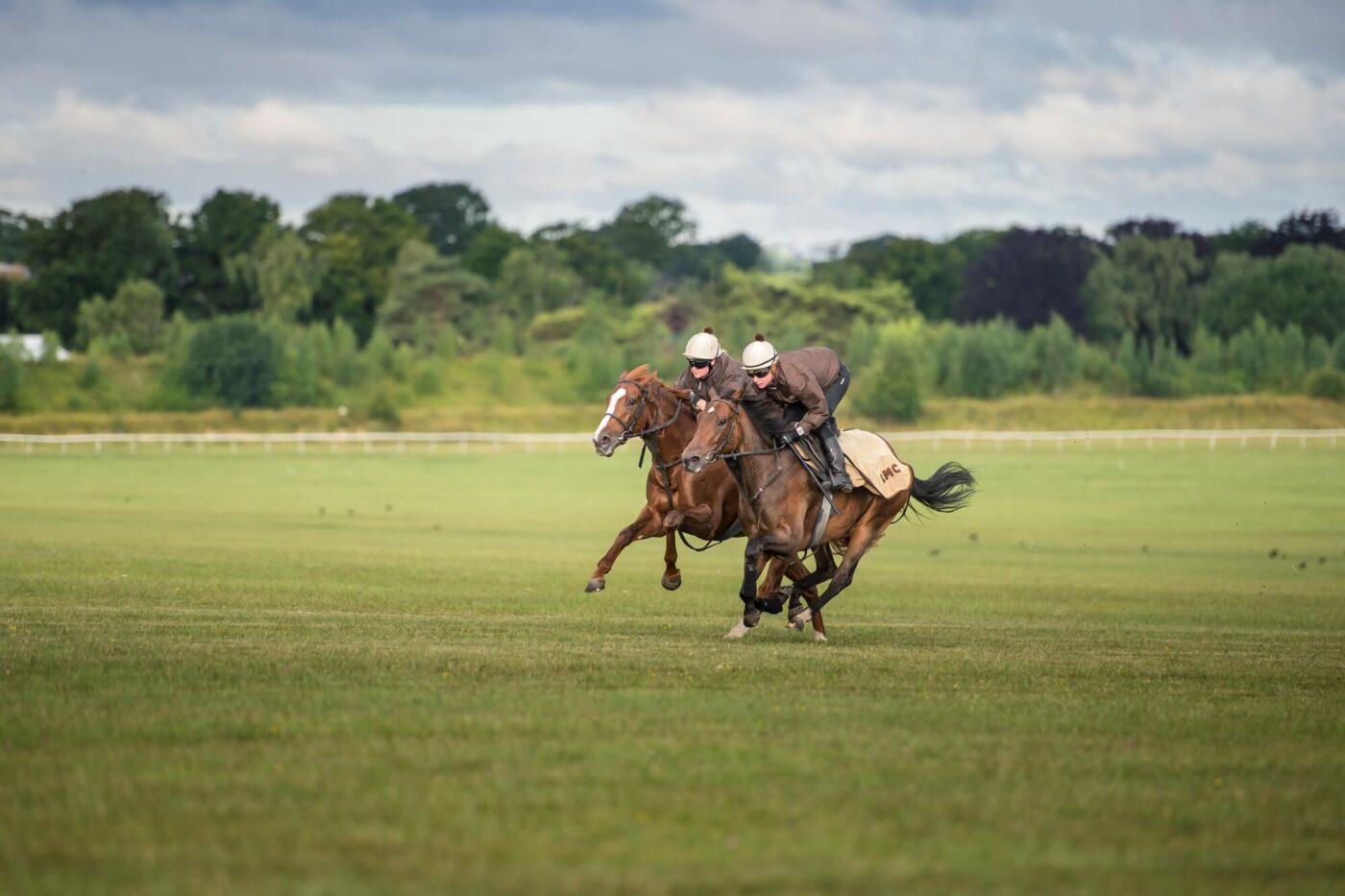
What to feed an ex-racehorse?
In relation to the diet, try to establish what the horse’s current diet is as it will give you some idea of the amount of energy it is taking to keep them in the condition they are in. In most cases, it is likely to be necessary to go back to basics starting with ad-lib forage and then gradually introduce new feeds over a week to ten days. If you feed ad-lib forage, try to calculate how much the horse is actually consuming as this will be useful information to know if for any reason your horses doesn’t start to gain weight.
The typical diet of the horse in race training is usually relatively high in starch. Even though many racing rations are lower in starch than they were 20 years ago, they often still exceed levels that are likely to cause ulcers (2grams per KG bodyweight per day) and are almost certain to exceed levels that have a negative impact on the microbial population in the gut. If you would like to calculate the level of starch in your horse’s ration try our starch calculator tool.
It takes time for the microbial population to adjust to a new, higher fibre diet and there are things that can be done to help the transition and promote a healthier digestive system. Live yeast is an approved additive for horses and has been shown to promote improved fibre digestion. It is included in many balancers and feeds but for 2 to 3 months it is worth adding a more concentrated source, such as a supplement, to the ration of an ex-racehorse making the transition to a riding horse.
Adding Prebiotics to Your Horse’s Diet
Alongside yeast, prebiotics are another form of digestive aid and useful to add to the ration at this time. One study showed that FOS prebiotics helped address acidity in the horse’s stomach by stimulating the bacteria that mop-up acid whereas MOS prebiotics are known to latch on to harmful bugs which are then carried out of the gut. These are all ingredients worth looking for in supplements that can be used for the longer term if needed but are particularly helpful for the first 2 to 3 months whilst the horse adjusts to a new lifestyle.
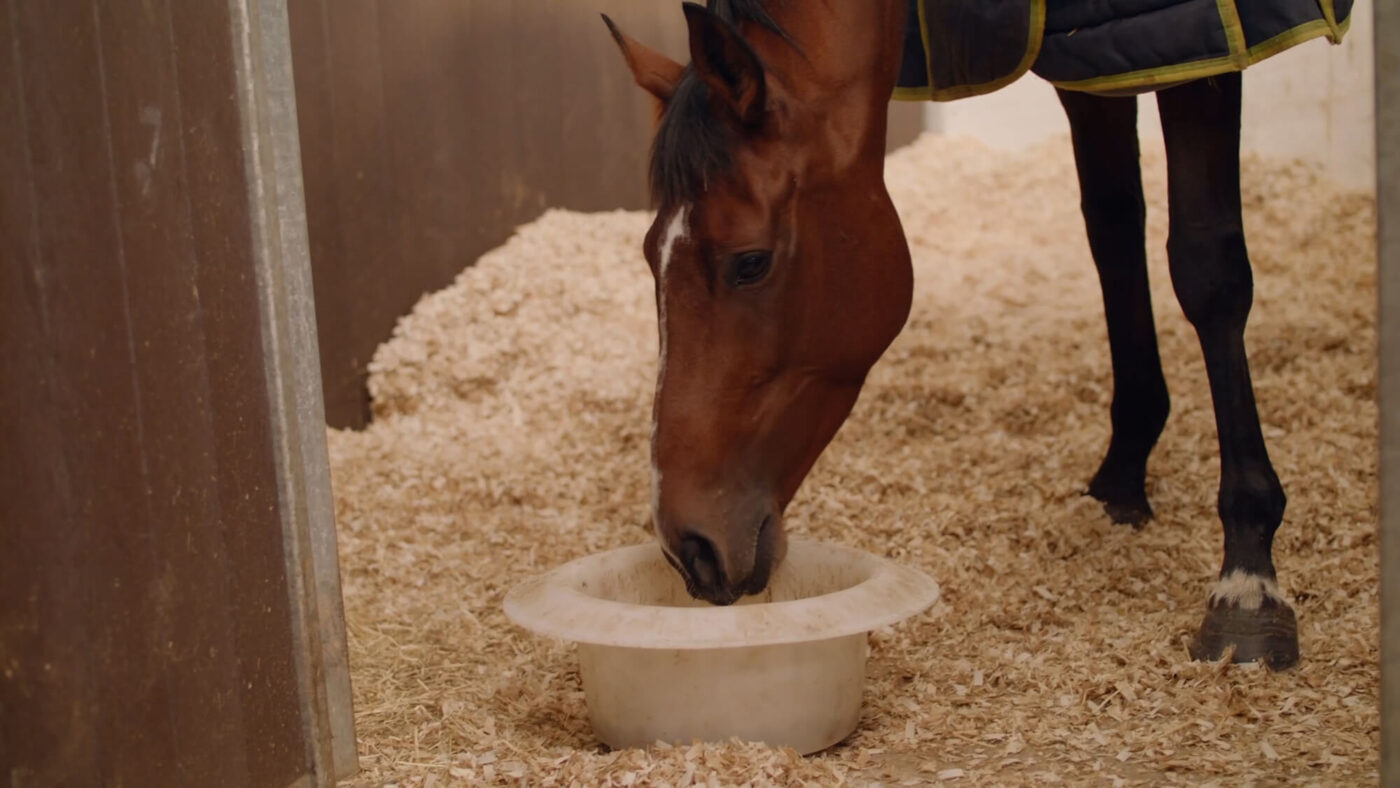
Feeding High Quality Fibre to Your Ex-Racehorse is Key
Not all thoroughbreds or ex-racehorses have hot temperaments, but clearly many do which is why the stereotype exists. For condition without the fizz, the key is to use high quality fibre and oil as energy source such as in Dengie Alfa-A Oil or Dengie Performance Fibre. Fibre is supplied by many different ingredients ranging from straw and grass hay at the lower end of the energy level spectrum through to sugar beet, soya hulls and alfalfa at the high end. The energy each of these feedstuffs provides is largely determined by their digestibility – in other words, how quickly the horse can break them down and release the energy they contain. For poor doers it is beneficial to use the more digestible forms of fibre so they can get more from fibre in their ration.
Feeding Recommendations If Your Ex-Racehorse has Gastric Ulcers
When high quality fibre is fed alongside oil such as in Alfa-A Oil, it can provide as much energy as a conditioning mix or cube but with much lower levels of starch which is why they are less likely to result in over-excitability. This also means they are more suitable for those with gastric ulcers. It has been well-documented over the last 25 years that high numbers of racehorses have ulcers and this is clearly something to be aware of when feeding an ex-racehorse. Whilst diet is a key contributing factor, it is increasingly being recognised that stress is too. This is why just turning out to grass doesn’t mean the ulcers will resolve. In many horses still exposed to some form of stress, an improvement in the severity of ulcers rather than complete resolution may be all that is possible even with medical intervention. This is a really important consideration when taking on an ex-racehorse.
Clearly there are things you can do to reduce the risk of and help the management of a horse with ulcers but don’t just assume turning out 24/7 will do the trick:
- Some ex-racehorses may not be happy in the field if it isn’t something they’ve been used to and turning out may cause additional stress.
- A high fibre diet is key as it provides more chew time which increases saliva production and it is saliva that is the horse’s own buffer to acidity in the stomach.
- Using high oil feeds like micronized linseed rather than those high in starch such as cereals is key if more energy is required.
- Ensuring the horse has consumed some forage in the 20-25 minutes before riding is also helpful as it provides a fibrous mat in the stomach that helps to reduce acid-splash.
- Several studies have shown that alfalfa provides more buffering than grass-based forages so adding some to the bucket feed is advocated.
The other key area to consider for promoting condition without fizz is how much forage the horse is consuming. Poor doers can be fed forage ad-lib – there is no reason to limit the amount fed as you want the horse to put on weight. The more energy the horse can get from forage the less reliance there is on the bucket feed which will ultimately help to keep starch levels, and therefore the fizz factor, down. Using the digestive aids will also help the horse to get more from the forage, again reducing reliance on the bucket feed.
Typically, earlier cut forages are more digestible and therefore more likely to help promote weight gain. Wrapped hays can be a good option for those with ulcers as they are often softer than hay and if they are quite dry before being wrapped, they won’t have fermented and so are not acidic to the same degree that a traditional haylage would be. This is beneficial if ulcers are a concern.
Lastly, don’t forget to check the health of other areas of the digestive system too. If the horse can’t chew effectively their ability to digest their feed is compromised and weight gain will take longer so a professional dental check is well worth investing in. Similarly, checking their worm burden is also important as weight gain will be slow progress if the horse has a high worm burden.
If you would like more advice and guidance on what to feed your ex-racehorse contact the feedline team.
Lou Robson, Thoroughbred Dressage
“Promoting condition safely is one of the hardest and toughest challenges that we face when retraining racehorses. It’s very easy to see a ‘just out of racing’ fit and lean horse and want to feed them up. A ‘whole horse’ approach is key, and that’s why at Thoroughbred Dressage we work closely with the Dengie Nutrition team.”
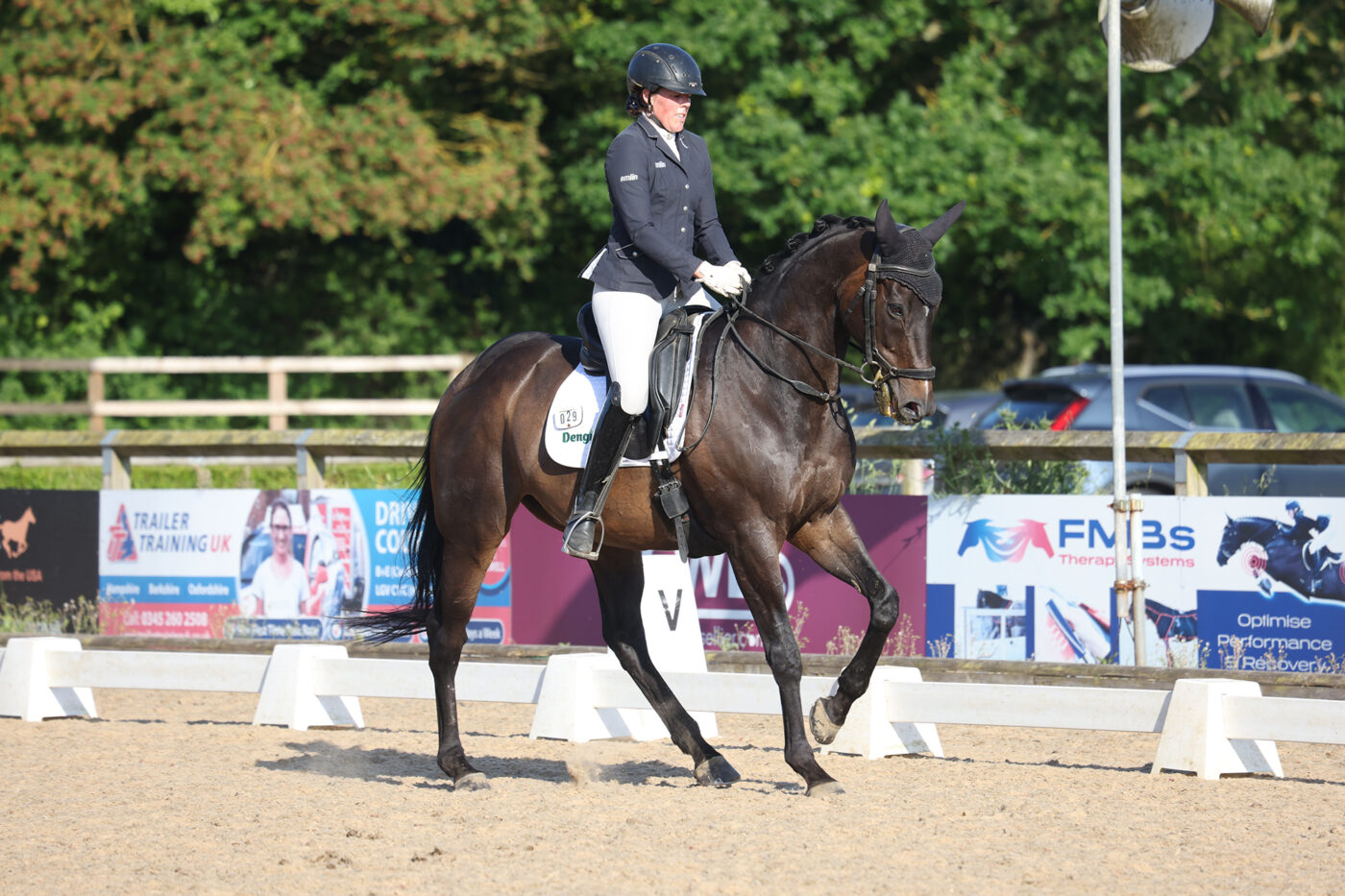
Credit: Alison Parker Photography
“Our primary concern is supporting and promoting gut health. Often it’s not just their body condition and top line that we are looking to develop, but we may also need to look at improving hoof quality too. I choose to feed Dengie to all our horses as it ensures that they are getting a highly nutritious fibre-based diet to help and support their development into their second career. Since making the change to Dengie I have seen a vast improvement in the condition of my horses and also their temperaments; they are happy, calm and content in themselves.”
Retired Racehorses Fuelled by Dengie
Often when coming from race yards the horses are fed on cereal based, high starch rations and aren’t used to a high fibre diet. Jo Massey founder and Chief Executive of Racehorse Relief feeds her entire yard Dengie. Click here to read their testimonial.
Chickens are remarkably resilient birds that can adapt well to the climate around them. They are warm-blooded with a body temperature of 40-43°C and have a high metabolism which all helps them to adapt well to colder temperatures. Thanks to this, it is relatively easy to keep your chickens warm in winter.
A chicken’s feathers act as a natural insulation, they will ruffle their feathers up when they are cold, retaining their body heat and trapping the warm air between their down under-feathers. Their legs and feet are covered in scales which can retain heat to a certain extent, but not as effectively as their feathered bodies. This is why they can be seen with one leg and foot tucked up into the warmth of their feathers when it is cold to help reduce heat loss. When perching or roosting, the chicken can fluff their feathers up and tuck both their legs in to keep warm.
Store energy with bird feed
Chickens tend to eat more when it is colder over winter as more energy is used in helping to keep them warm. Extra feed offered in the evening will help act as an internal heater for the chicken as they digest their food overnight. It is also important to check and clear their water of any ice ensuring they always have fresh water available to drink.
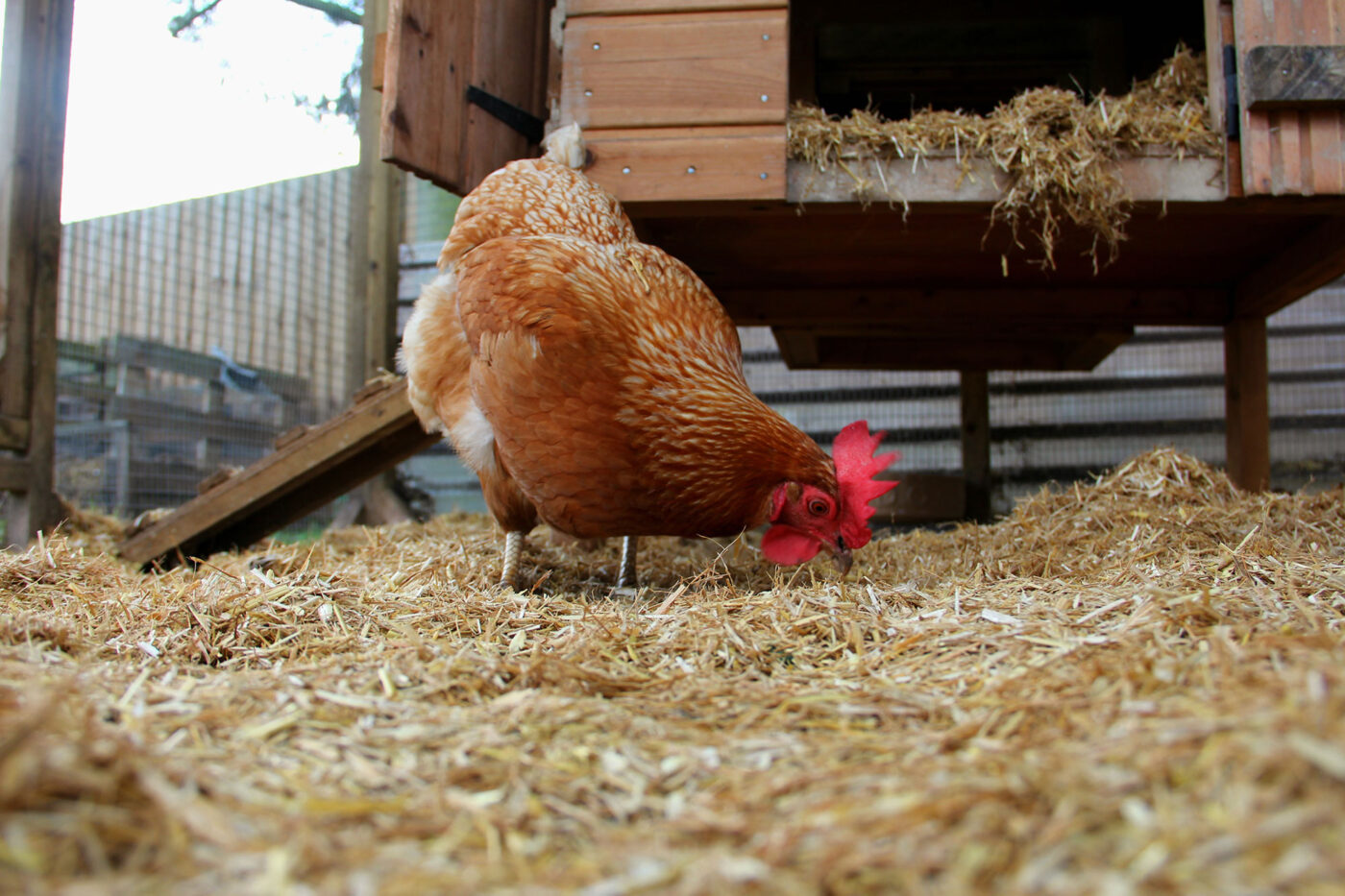
Fresh bedding is great insulation
Nesting boxes should be lined with soft and dry bedding to provide warmth and comfort for chickens. Chickens will often keep themselves warm by cuddling up together in their coop so providing extra bedding in the colder months will help to keep warm. Dengie Fresh Bed for Chickens is perfect for providing insulation in the colder months as well as absorbing any moisture, droppings and smells.
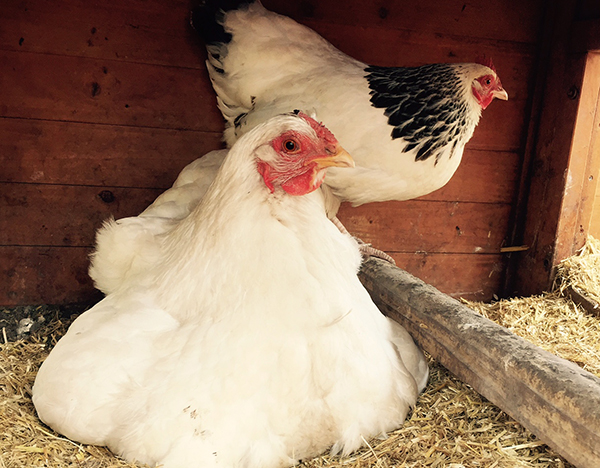
Dengie Fresh Bed for Chickens is made from chopped and dust extracted straw with a pine oil coating, providing anti-fungal and anti-bacterial properties. Fresh Bed was developed in association with the British Hen Welfare Trust to provide a clean and warm bed in winter for your chickens that is dust free and smells fresh. Most importantly chickens love it!
For more information about Dengie Fresh Bed for Chickens or for help and advice on keeping your chickens warm in winter, call the Dengie Helpline: 01621 841188 or visit our contact page.
With the winter on the way, daylight hours getting shorter and reduced turnout time, it can be harder to keep your horse fit, particularly when you don’t really fancy riding in the cold and the rain! It can also be difficult keeping the weight off horses and ponies that are not being ridden, such as companions.
Exercise doesn’t always have to involve riding, so here are some ideas of how you can add variety to your horse or pony’s exercise regime without having to get in the saddle.
In-hand Walking
Taking your horse or pony for a walk in-hand can be helpful when you can’t tack up and ride. This is a great form of exercise for both horse and rider as well as being a great way to bond face to face. The average person will burn between 210 and 360 calories on a 3 mile walk with their pony. If your horse is difficult to handle on the ground, this may not be the most effective or safe method of exercise, but it can be particularly beneficial for the smaller companion ponies who are unable to be ridden. Remember to use a bridle when leading in-hand and wear suitable gloves, hat and hi-vis.
Ride and Lead
Riding and leading is a great way to exercise more than one horse at a time. It is important that the horses get along and you have enough control over them both, it may be best to practice at home first before venturing out and about, particularly if you are planning to go out on the road! Riding and leading is often a popular choice of exercise for parents keeping their children’s ponies fit during the week. Don’t forget your Hi-Viz for you and both horses.
Lunging your horse
Although only recommended in moderation, due to the constant circling putting more strain on the joints, tendons and muscles, lunging your horse once or twice a week can really help with their fitness levels. As well as burning calories, lunging can also help to improve suppleness and balance. Watching your horse from the ground gives you a chance to see how your horse moves and helps with spotting any lameness issues. Lunging can be quite an intensive work out so should be introduced gradually. Remember to ensure your horse has properly warmed up on a larger circle before working them harder or on a smaller circle. As with any ground work, remember to wear your hat and gloves for safety.
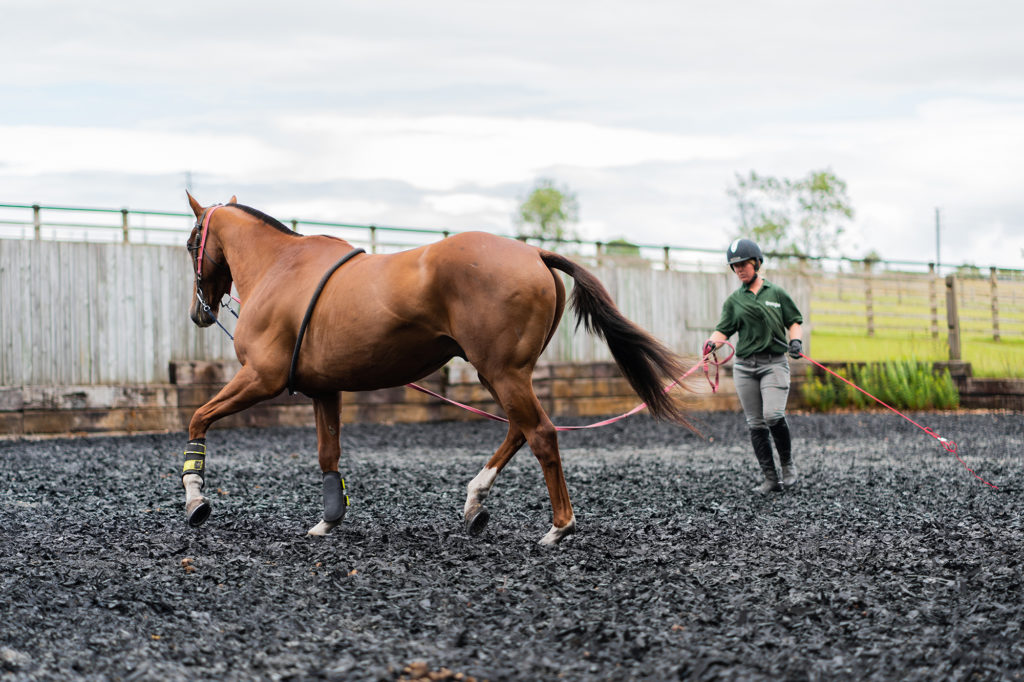
Long reining horses
Although a little more complicated, long reining can be more beneficial than lunging as it can also be done in a straight line rather than just on a circle. It is more closely related to riding as two lines are used in a similar way to the reins while riding. Long reining horses gives you more freedom to work in a larger space as well as being able to incorporate lateral work. Long reining doesn’t just have to happen in the arena either, why not incorporate your favourite hacking routes too helping to improve both your horse’s and your own fitness levels!
Increasing your horse’s turnout
Increasing turnout time is a simple and easy way for your horse to stretch their legs and loosen their muscles without you needing to be present. Turnout is also beneficial in managing behavioural difficulties and vices associated with stable boredom. Remember, increasing turnout time will also mean your horse has access to more grass, unless they are out in a grass free area. Implementing a track system or wearing a grazing muzzle are effective ways of ensuring your horse can have a good leg stretch without overindulging on the grass!
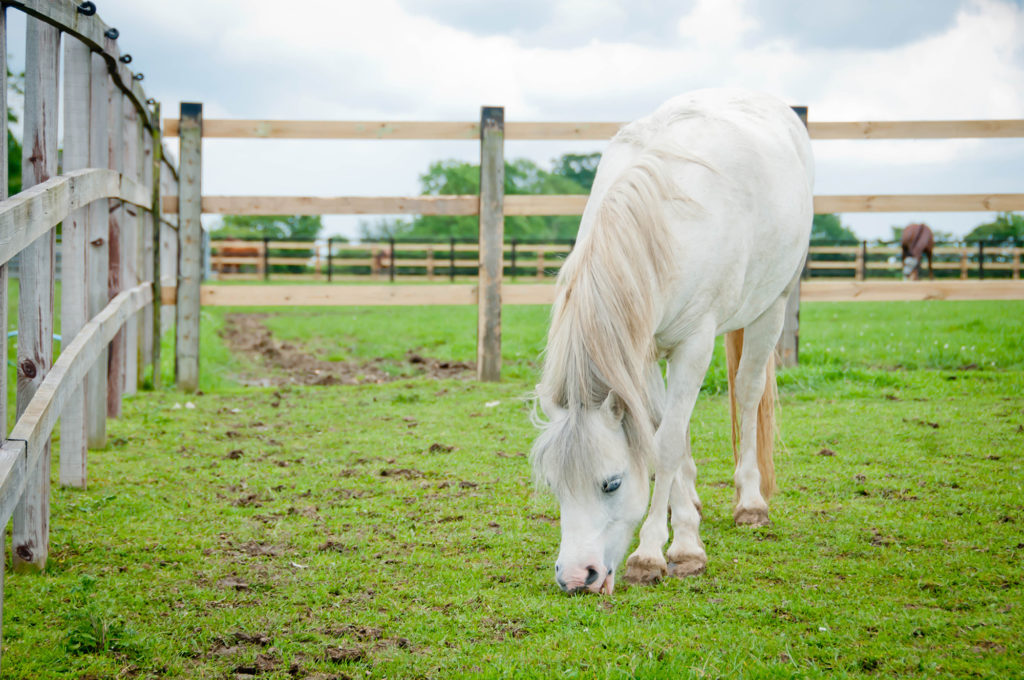
Stretching
‘Carrot stretches’ are great for improving flexibility, suppleness and stretching those muscles. Remember to do each stretch evenly both sides and gradually build up the intensity and duration of the stretch. Dengie Alfalfa Pellets are a great alternative to carrots which can be used as a low sugar and starch treat. Stretching shouldn’t be used as a replacement for professional treatment, but it can help improve your horse’s suppleness and flexibility.
Free Schooling
Free schooling is a quick and easy way to allow your horse to move around freely and help them to find their own natural balance. It can also help them to blow off some steam and have some fun with a buck and a play around. Poles or jumps can also be incorporated for added variety, if your horses is fit enough to do so.
In-hand Agility
Horse agility is an internationally competitive sport, but it can also be done at home as a fun and pleasurable activity for you and your horse. Navigating a course of obstacles with your horse helps enhance your communication and bond. You don’t need to have any fancy equipment, poles, cones or buckets make great obstacles to step over or walk around. How about upcycling an old Dengie feed bag into a flag or something to step over? Not only does agility help to keep the horse physically active but it also encourages them to think for themselves.
Hannah Russell likes to use clicker training as a way of keeping her 28 inch miniature Shetland ‘Little Alf’ active both mentally and physically.
Driving
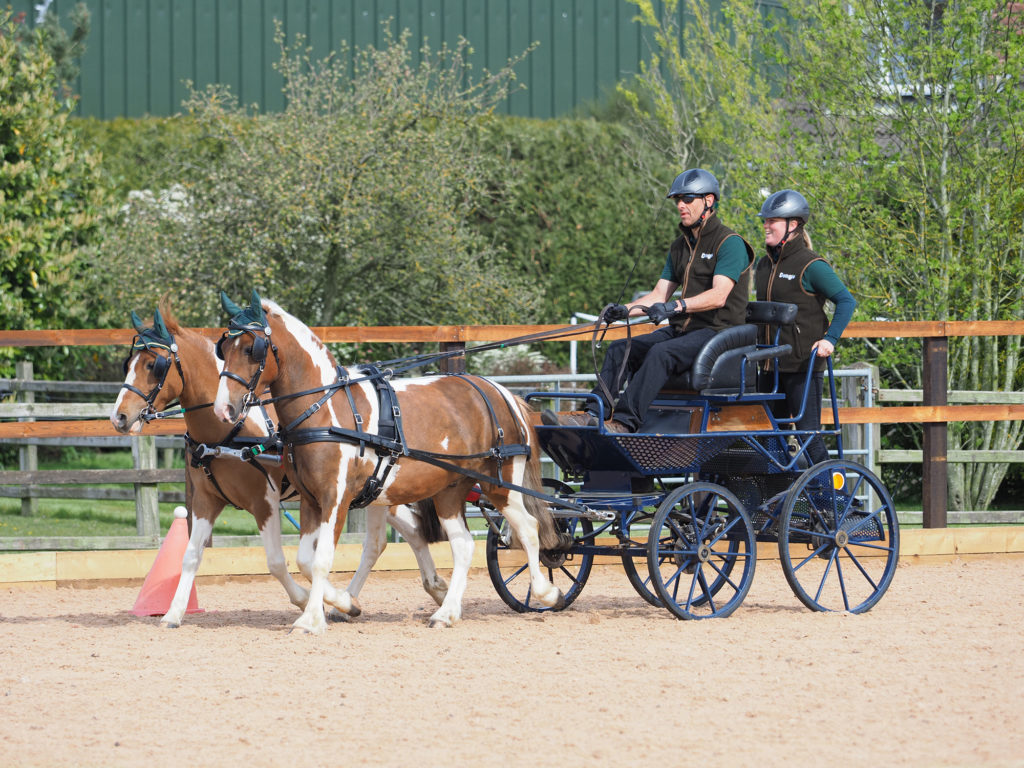
Driving works different sets of muscles compared to riding and can help to strengthen your horse’s hind end and build topline. Companion ponies and miniature horses are often ideal for driving due to their strength and sturdy builds; even a miniature horse can pull an adult in a cart. Driving can also be a great second career for a pony that has been outgrown by their rider or to provide an alternative form of exercise to riding.
Hope and Star are two rescue ponies that were introduced to driving to help keep them fit. They are now out competing in scurry and trials driving with their owners Hannah and Matt Illston-Barsby.
Horse Walker or Treadmill
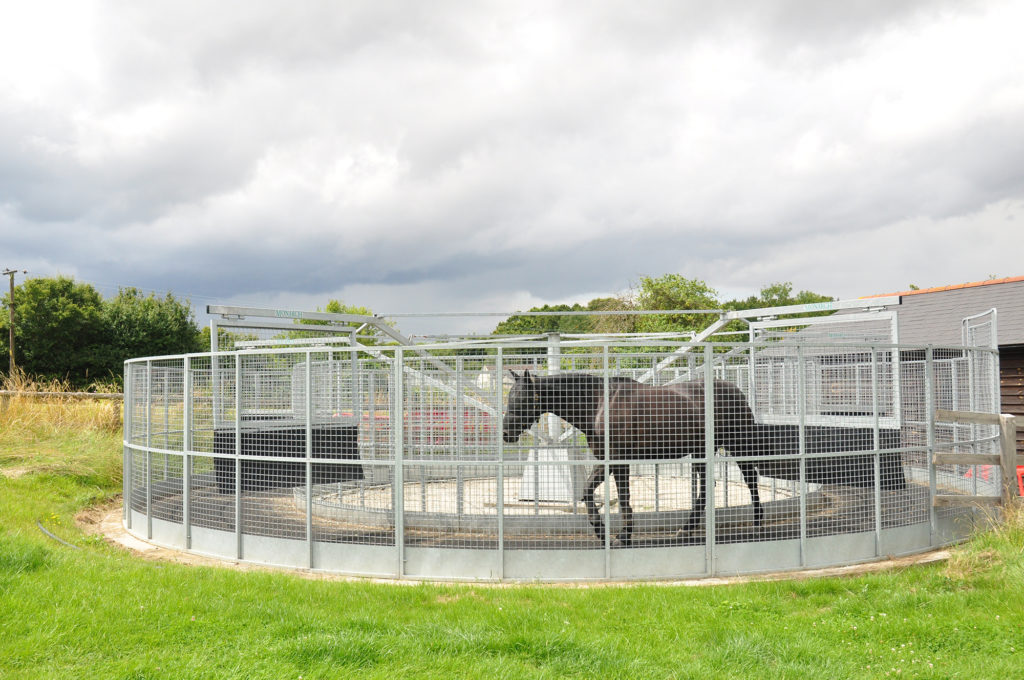
Although not readily available to everyone, horse walkers and treadmills are a great way of increasing your horse’s strength and fitness. The speed can gradually be increased over time as the horse’s fitness builds up.
Although thoroughbred horse nutrition is only one of many factors that influence performance, it is a crucial part as it affects the overall health and well-being of the animal. The unique aspects of racing combined with the genetic and physiological attributes of the Thoroughbred necessitate careful dietary management, particularly in those prone to certain issues. Below we have outlined a thoroughbred feeding guide to assist with managing nutrition related issues.
Gastric ulcers in racehorses
- Alfalfa is an effective buffer to acidity in the gut – alfalfa is abundant in calcium and studies have shown it buffers acidity more effectively than grass based forages making it one of the best horse feed options for thoroughbreds. Just half a scoop of a feed from the Dengie Alfa-A range in each feed will help counteract the acidity produced by feeding cereals.
- Chopped alfalfa provides increased chew time which increases saliva production – saliva contains bicarbonate which also buffers acidity. By regulating the acidity of the horse’s stomach the risk of ulcers is reduced.
- Feed chopped fibre before exercise to stop acid splash – it is recommended not to exercise horses on an empty stomach as there is nothing there to stop the acidic contents of the stomach from splashing around when the horse moves. Using a double handful (200g) of Dengie chopped fibre just before exercise helps to form a fibrous mat to stop the splash
- Omeprazole may reduce calcium absorption – this has been shown in humans and one study has indicated the same is occurring in horses. Whether this is contributing to an increased risk of bone fractures is yet to be confirmed but it is certainly worth providing additional calcium in the ration as a risk reduction strategy. The calcium in alfalfa is highly bioavailable and so easier for the horse to absorb. Just 1 scoop of Dengie Alfa-A Original provides a 500kgs exercising horse with 1/5th of their daily calcium requirement*
- Alfalfa is low in starch – but still provides a good level of energy, especially when combined with oil as part of a thoroughbred horse’s nutrition. Dengie Alfa-A Oil contains the same energy level as many racing rations but with between 5 and 10 times less starch. Keeping starch levels low without compromising on energy intake is key for balancing health, condition and performance
Colic in racehorses
Below we have outlined some of the best horse feeds for thoroughbreds when faced with colic as part of our thoroughbred feeding guide.
- Research has shown peaks in colic incidence occur at different times in flat compared to National Hunt yards. A higher incidence was seen in March and June in flat training yards and September in NH premises. This may well be due to an increase in workload as part of a fitness program accompanied by an increase in cereals feeds which is a risk factor for colic. The cause of the colic wasn’t identified but could also be linked to gastric ulcers which would correlate with an increase in workload for the respective disciplines.
- Meal feeding has also been shown to result in transient dehydration in the gut. Researchers suggest that feeding a few large meals each day can cause sufficient dehydration in the colon to result in impaction which could initiate other forms of very serious colic such as large colon displacement and volvulus.
Feeding strategies to reduce the risk of colic in racehorses
- Use feeds that are high in oil such as Dengie Alfa-A Oil or Performance Fibre as part of the bucket feed to reduce the reliance on cereal based concentrates.
- Use more digestible sources of fibre such as alfalfa and sugar beet included in feeds like Dengie Alfa-Beet – as they are fed soaked they have the added benefit of taking water into the gut thereby countering the potential dehydrating effect of feeding cereals in meals
- Add fibre to slow the rate of intake and passage of cereal based feeds through the gut
- Limit concentrate meal sizes to 1.75kg dividing larger amounts of concentrates into 3-4 feeds daily
Muscle Problems in racehorses (Tying-Up, ERS, Azoturia)
Muscle issues are often multi-factorial and when a “perfect storm” of circumstances occur clinical signs become evident. The balance with a racehorse is providing fuel for fast intense work but trying to keep starch levels as low as possible as high starch intakes are one of the risk factors that can result in muscle problems. It is worth noting that research in Scandinavia has shown that Standardbreds could perform racing level exercise on a fibre based ration without compromising performance or recovery. The researchers suggest that using high quality forages and fibre sources as part of thoroughbred horses’ nutrition would help to compensate for the lack of starch in the ration.
Feeding strategies to reduce the risk of muscle problems in racehorses
- Feed low sugar and starch feeds using fibre and oil as energy sources where possible such as in Dengie Alfa-A Oil or Performance Fibre. These are ideal for feeding when a horse has a rest day as they provide good levels of quality protein, energy and natural vitamins and minerals without the starch found in cereal based feeds.
- Ensure the diet is balanced and that electrolytes are used
Appetite Loss and Fussy Feeders
Tempting the fussy racehorse is a particular challenge when it comes to a thoroughbred horse’s nutrition. Findings from our Senior Nutritionist’s PhD research suggests that hospitalised Thoroughbreds are more likely to go off their feed than other breeds even when gastric ulcers have been ruled out. Interestingly previous studies have also found that Thoroughbreds experience a higher rate of post anaesthetic gastrointestinal complications such as colic, reduced faecal output and colitis compared to non-Thoroughbred horses but the cause has not been determined to date
Feeding strategies for fussy feeders
- Dengie Performance Fibre has been developed to try to tempt even the fussiest horse and has proven to be particularly successful. The inclusion of grass and spearmint oil provide a natural sweetness and tempting flavour respectively
- Feeding several smaller meals can help avoid over-facing the horse.
- Dampening the feed with Dengie Alfa-Beet can also help tempt fussy feeders
- Always introduce new feeds gradually
*Based on NRC guidance for a 500kgs horse in exercise and a calcium level of 1.5% in alfalfa
References
- Hilyer et al (1997) A cross-sectional study of colic in horses on thoroughbred training premises in the British Isles in 1997
- Bulmer et al (2016) The effects of a high-starch or high-fibre diet on equine reactivity and handling behaviour, Applied Animal Behaviour Science
- Jansson and Lindberg (2012) A forage-only diet alters the metabolic response of horses in training
- Lybbert et al (2007) Proceedings of Annual Convention of the AAEP, Orlando, Florida, 2007.
- Swanhall et al (2018) Mineral and Vitamin Supplementation Including Marine-Derived Calcium Increases Bone Density in Thoroughbreds. Proceedings of the Australasian Equine Science Symposium
To find out more information about the best horse feed for thoroughbreds, or for more on our thoroughbred feeding guide, get in touch with our nutrition experts today on 01621 841188.
There are lots of factors to consider when deciding what to feed any animal and sheep are no exception. When sheep are kept on smallholdings they are usually produced extensively for slow-grown meat with better taste and nutrition or to produce wool. Breeders may also be preparing their stock for showing or to sell as breeding stock and so often have pedigree or rare breeds. With all of these scenarios, putting better quality feedstuffs into your sheep feed, means getting more out.
Alfalfa for meat quality
Studies have shown that animals reared on forages such as alfalfa have better fatty acid profiles in their meat. This is because cereals are higher in omega 6 whereas forages contain a higher ratio of omega 3. It should be noted that forages are not high in oil but what they do contain is better quality than in cereals. When we consume the meat from animals reared on forage-based systems, we are getting the benefits of more omega 3 in our diets, meaning there are many benefits of feeding sheep alfalfa.
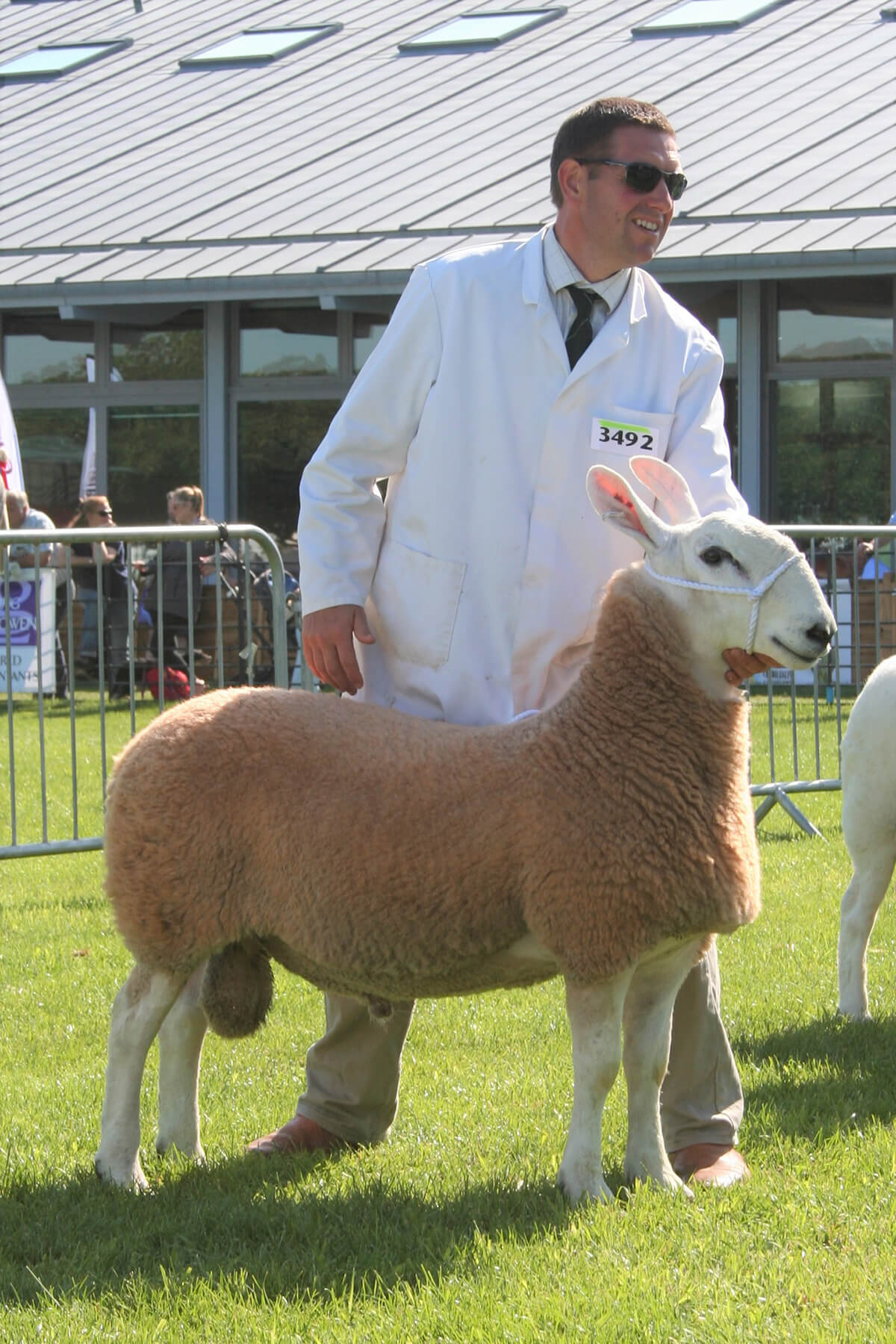
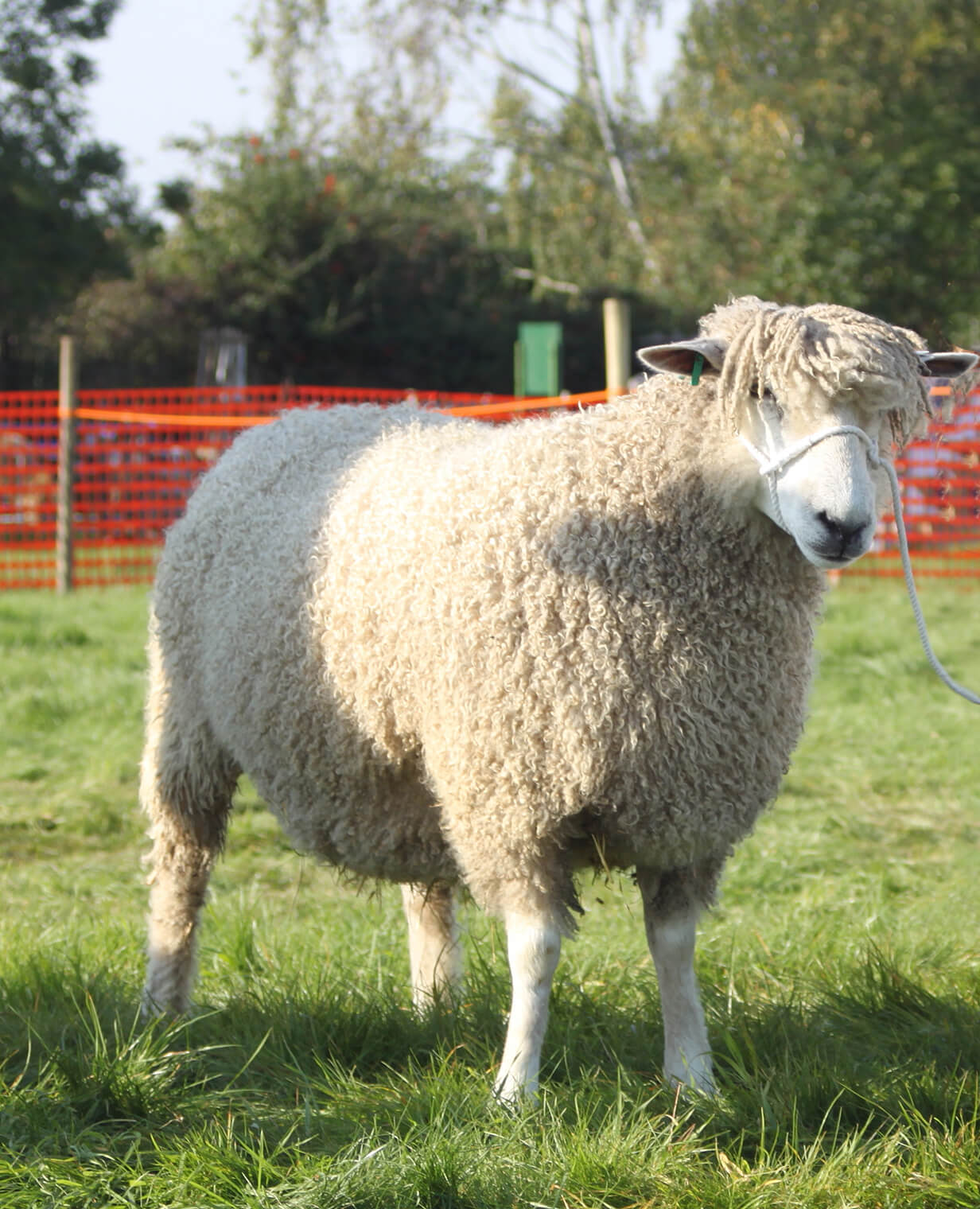
The Neben flock have used Alfa-A Original and Alfa-Beet for many years to produce show ring condition
Alfalfa for wool and hoof quality
Tissues such as wool and hoof horn contain keratin which is made up of amino acids or protein. Alfalfa is abundant in amino acids and is also a great source of highly bioavailable minerals such as calcium and sulphur which are known to help create strong hoof tissue. Whilst finer wool is produced from sheep in nutritionally deprived areas, too little nutrition can cause serious health issues and so it is important to strike a balance. Feeding sheep alfalfa sufficiently but not too much is key.
Including alfalfa in the ration
250 grams per head per day will help to provide quality protein and other essential nutrients and is a practical level to feed to most sheep. If it is used to replace some of the cereal based feeds it also helps to reduce the risk of acidosis. Dengie Alfalfa Pellets are a convenient way to add alfalfa to the bucket or trough or if using as an alternative to forage then Alfa-A Original is the best option. The addition of molasses makes it palatable and brings the ME up too.
Dengie Alfa-Beet is our best kept secret for putting weight on show sheep. A blend of alfalfa and sugar beet provides a great source of highly digestible fibre that is efficiently converted to condition. Feed Alfa-Beet soaked to help take moisture into the gut and offset the effects of meal feeding.
When forage quality is poor, pregnant ewes are at greater risk of twin lamb disease and so adding up to 0.5kg per head per day to the ration can be beneficial. When ewes are heavily pregnant they can start to eat less as the lambs take up more space. Making every mouthful count helps to ensure nutrient requirements are met and so using better quality forages such as alfalfa becomes even more important. Adding some alfalfa 2 to 3 weeks before birth is usually beneficial.
Alfalfa is abundant in calcium and ewe’s milk is higher in calcium than cow’s milk. Supplying calcium in the ration is important to ensure the ewe doesn’t deplete her own reserves in order to pass the calcium on in her milk. Adding 0.25 to 0.5kg per head per day to milking sheep is our recommendation.
Grass Based Forage Replacers
Feeding hay to sheep is commonplace at times when fresh pasture is in short supply or of poor quality. We are often asked about the suitability of feeding sheep haylage when hay isn’t available. Haylage has a lower dry matter than hay and so the additional moisture means that a greater weight of forage needs to be fed to ensure dry matter intakes are maintained. If insufficient is consumed then droppings can become loose. In the short term this isn’t usually too much of an issue but if the problem persists it can cause digestive issues. One solution is to use a dried grass-based forage either instead of or as well as feeding sheep haylage. The higher dry matter of products like Dengie Meadow Lite with Herbs helps to offset the lower dry matter in the haylage making it easier to maintain dry matter intake.
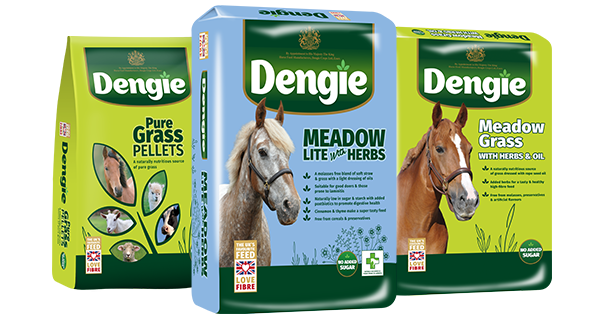
In addition, if you’ve got some special, older individuals in your flock then it is likely that their aren’t quite what they used to be. Although as any animal ages they become less efficient at absorbing nutrients, many sedentary OAPs would simply do too well on alfalfa-based forages. Those based on grass such as Dengie Meadow Lite with Herbs or Pure Grass Pellets, are often more suitable and can be used as complete or partial hay replacers. The pellets can be soaked for those with really poor teeth and the softer texture of the chopped fibre is easier to manage but still provides some chew time and scratch factor in the stomach.
So whichever sheep feed you use, there is a great source of fibre available from Dengie to complement it.
At Dengie, we select the finest grasses and ingredients grown by British Farmers for our grass chops and pellets. By using 100% natural ingredients that are free from artificial preservatives, flavours and additives, we offer a range of grass-based feeds that are suitable for a variety of animals including horses, cattle, sheep, camelids and even zoo animals!
What makes Dengie grass so special?
In contrast to hay or haylage, the grass used in Dengie feeds is harvested whilst it is still young and highly digestible. Our precision drying techniques perfected over the last 50 years, lock-in all the natural goodness and ensures a consistently clean source of forage.
When to use the Dengie Grass Range:
- As a Forage Replacer – Our range of grass feeds are ideal for when the supply and quality of natural grazing declines. Dengie Meadow Lite with Herbs is a soft, blend of grass and soft straw with tasty herbs and postbiotics to support digestive health. Naturally low in sugar at just 3% – a typical grass hay would be about 10% simple sugar and 15%+ WSC – and starch at 0.5%, it can be fed ad lib as a low calorie forage replacer.
- For those with Poor Dentition – the naturally soft texture of the grass chops makes them great alternatives for animals that struggle to chew longer length forage due to old age, poor dentition or specific dental issues such as diastemas. Dengie Pure Grass Pellets can be soaked to an easy to chew mash.
- Fussy Feeders – the natural sweetness of the grass makes Dengie grass feeds a palatable option for fussy or picky eaters. Dengie Meadow Grass with Herbs & Oil also includes a herbal blend for extra tastiness!
- Extra Entertainment – Dengie grass feeds can be used to provide enrichment for a stabled animal – hiding some chopped apples or carrots in a big bucket or trug of chopped grass provides an extra special treat to keep them entertained! Fibre is crucial for the digestive health of herbivores and encouraging them to eat for longer replicates their natural eating and browsing behaviour.
- For extra condition – the high digestibility of Dengie grass means that animals get a lot more nutrition than they would from mature forages such as hay and haylage. Simply topping up their usual forage with the Dengie Grass Range can help maintain or promote weight gain especially in the winter months.
Woburn Safari Park
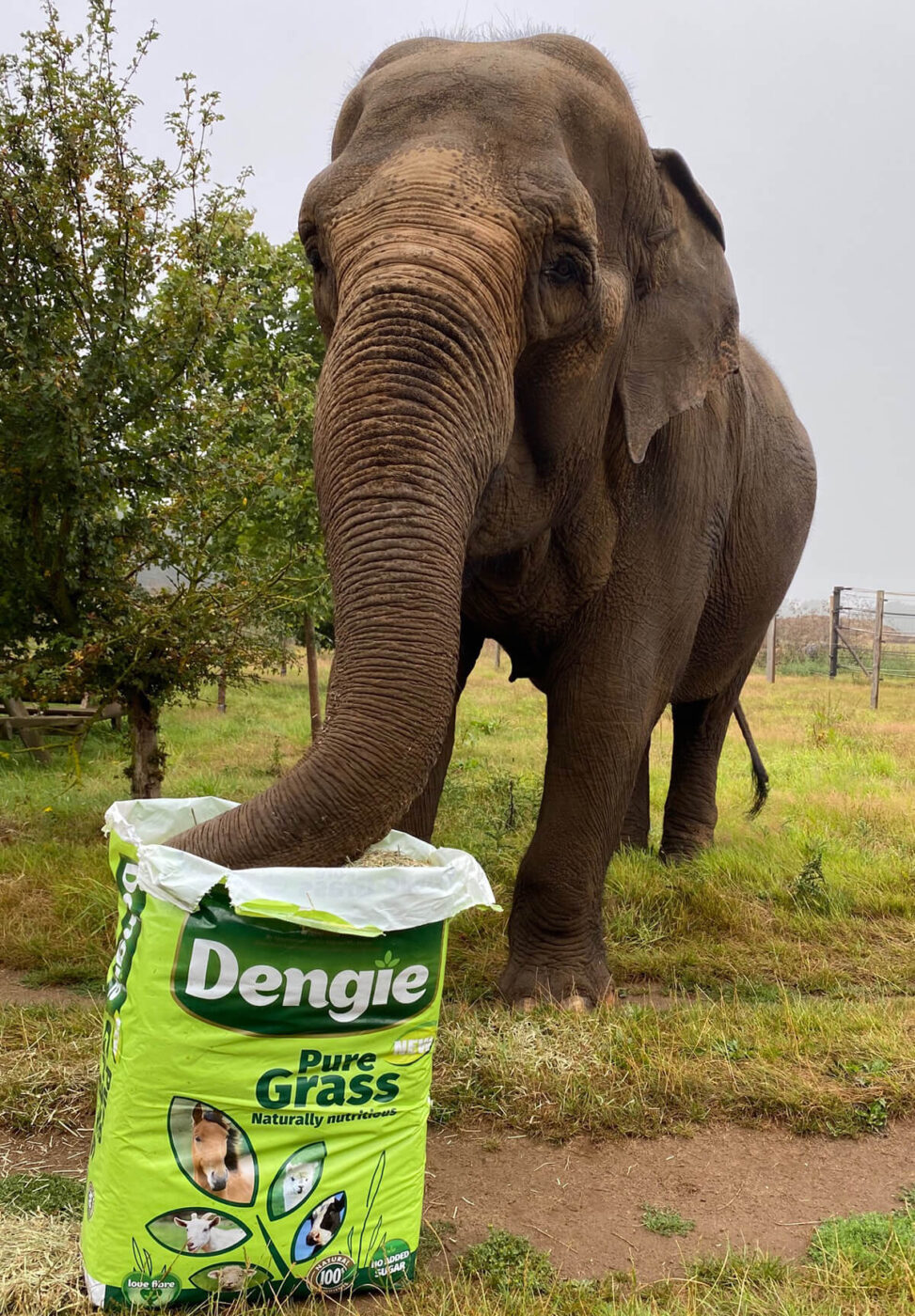
“We have been using Dengie Pure Grass for one of the female elephants living at Woburn Safari Park for the past couple of months as an extra source of fibre and we are all really impressed with the quality of the product and the service from Dengie.
Dengie Pure Grass is enjoyed by Yu Zin and the high fibre means it is very easy for her to digest whilst ensuring she receives all the nutrients she requires.
Yu Zin really loves it, probably helped by its deliciously sweet natural taste – as you can see from her enjoying a trunk full in the pictures!”
Article last updated: 14th November 2022
Review many horse feeds marketed towards the ulcer prone horse and you will notice that they are typically for the working horse or those that don’t hold their weight. However, there are many horses with ulcers that are good do-ers which can make selecting the right feed trickier; what’s the priority with these individuals and the best feed for horses with ulcers – managing the ulcers or promoting weight loss?
Why feed the ulcer prone good do-er?
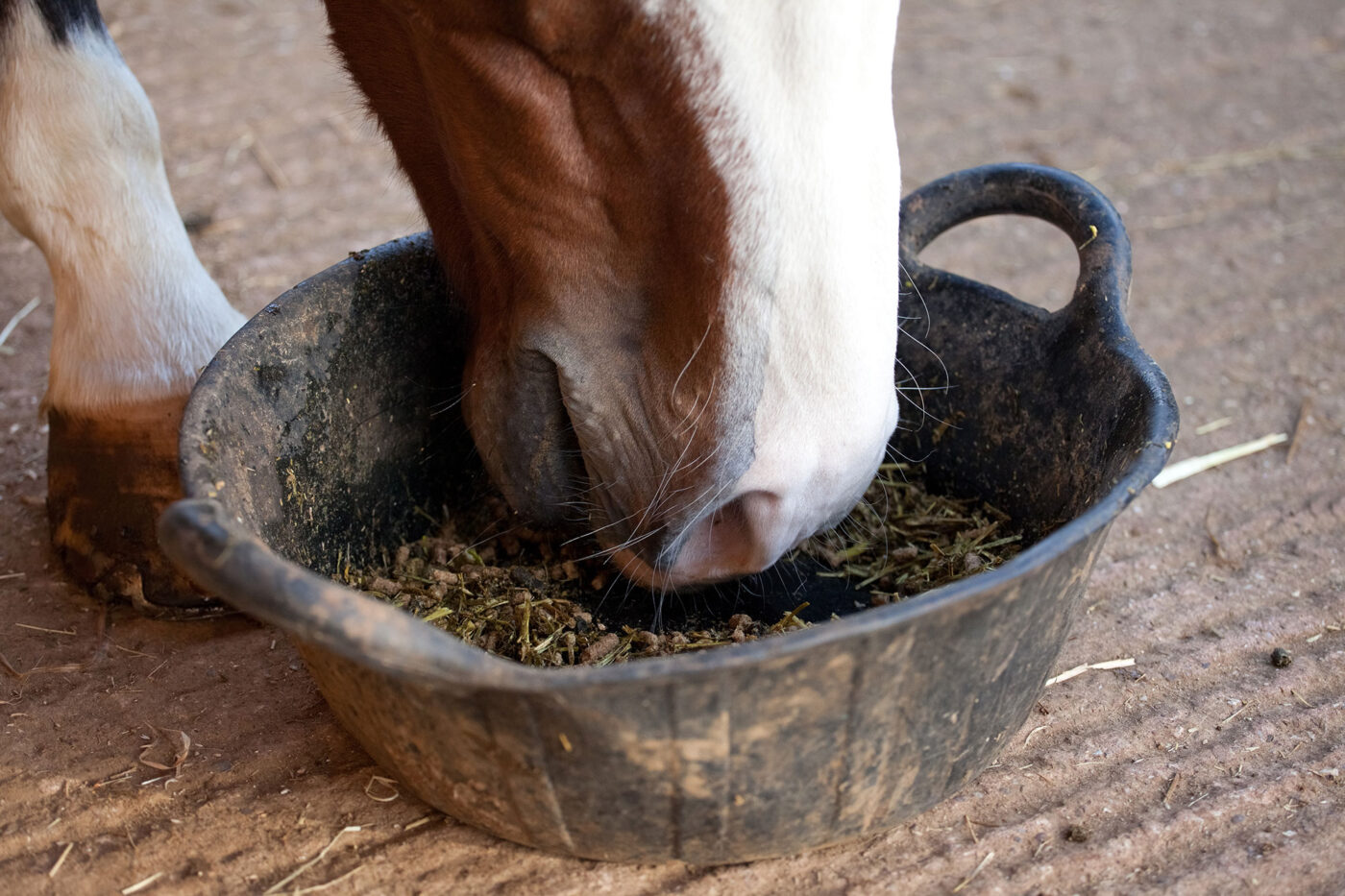
Whilst the mainstay of any horse’s diet should be forage, in the form of either fresh pasture, or conserved forage like hay or haylage, even good do-ers can benefit from a bucket feed for the following reasons:
To provide a balanced diet; UK pasture and forage lack a number of key trace minerals including copper, selenium and zinc as well as vitamin E in conserved forage. Topping up these nutrients helps to ensure a balanced diet is supplied. Most frequently this can be achieved by adding a broad-spectrum vitamin and mineral supplement or balancer to a low calorie chopped fibre feed to act as a carrier.
As a lower calorie alternative to hay; hay and haylage can easily supply more energy or calories than the good do-er in light work requires and so the amount fed may need to be restricted. Alternatively, it is possible to replace a proportion of the forage ration with something even lower calorie such as a low energy chopped fibre feed. Overall this may mean the horse can have a larger amount to eat which supports digestive health.
As a pre-exercise feed to reduce the risk of acid splash; whilst this could be hay or haylage, many people will be aware that research has shown that feeding alfalfa as a fibre source is a superior buffer in the digestive tract. Feeding a double handful of a chopped alfalfa-based fibre feed in the 20-25 minutes before you ride is recommended to help prevent ‘acid splash’ in the non-glandular region of your horse’s stomach. The fibre ensures the stomach isn’t empty and suppresses the movement of the acidic contents when the horse moves.
Do I need to feed a pure alfalfa feed for maximum effect?
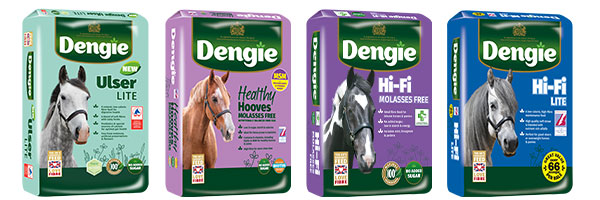
You could use pure alfalfa feeds like Healthy Tummy or Alfa-A Oil that both have the BETA feed approval mark as suitable for equines prone to gastric ulcers, but there are other suitable alternatives when looking for horse feed for good doers. Healthy Tummy and Alfa-A Oil are both higher calorie feeds which are more appropriate for poor do-ers or those in higher levels of work. Whilst the overall calorie intake could be controlled by limiting the amount fed, it is more beneficial for your horse to have more of a lower calorie feed for more chew time. A more suitable low-calorie feed that also has the BETA feed approval mark as suitable for equines prone to gastric ulcers is Dengie Ulser Lite. Additional suitable low-calorie feeds from the Dengie range include Healthy Hooves Molasses Free, Hi-Fi Molasses Free, Meadow Lite with Herbs or Hi-Fi Lite.
Don’t these products contains straw? Straw isn’t suitable for horses with ulcers is it?
Back in 2009, a study that looked at the incidence of gastric ulceration in a population of horses found that those that were fed straw as the sole or predominant fibre source were more likely to have ulcers. The reasons given related to the structure of straw and the fact that straw contains low levels of calcium and protein. This makes sense given that it is alfalfa’s naturally high protein and calcium levels that are thought to make it a superior buffer.
However, the key here is that straw was used as the sole or predominant fibre source which is something we simply don’t tend to practice in the UK. Furthermore, Dengie Ulser Lite, Healthy Hooves Molasses Free, Hi-Fi Molasses Free and Hi-Fi Lite all still contain a proportion of alfalfa as well for extra buffering potential alongside the straw. Given how valuable the addition of straw can be to the ration of a dieting horse, as it enables us to increase overall intake with minimal calories, the current advice even for ulcer prone horses is that it can be included, typically up to 30% of the total daily ration. Using Dengie products that contain straw at the recommended feeding rate will be well within these guidelines and is an appropriate choice of horse feed for good doers and ulcer prone horses.
How do I choose between Ulser Lite, Healthy Hooves Molasses Free, Hi-Fi Molasses Free and Hi-Fi Lite?
Ulser Lite – use to supply sufficient fibre for good doers to maintain gastric health without promoting excessive weight gain. Contains ADM Protexin In-Feed Formula that provides prebiotics and yeast for gastric health. Approved by BETA for horses and ponies prone to Equine Gastric Ulcer Syndrome. Use as a bucket feed alongside a broad-spectrum vitamin and mineral supplement or balancer to balance the ration or use to replace the usual forage ration if a lower calorie alternative is required. Feed a double handful of Ulser Lite in the time before tacking up to ride so the horse’s stomach isn’t empty when ridden.
Healthy Hooves Molasses Free – for horses in regular work that maintain their weight easily, use Healthy Hooves Molasses Free as a complete feed. When fed at the recommended quantity of 500g or 1 Stubbs scoop per 100kg of bodyweight, no additional vitamin and mineral supplementation is required. Healthy Hooves Molasses Free can also be fed at less than the recommended quantity alongside a supplement or balancer.
Hi-Fi Molasses Free – for good do-ers in light work, simply feed alongside a broad-spectrum vitamin and mineral supplement or balancer. Use as much or as little as your horse’s condition allows.
Hi-Fi Lite – feed as per Hi-Fi Molasses Free, or alternatively to partially or totally replace the usual forage ration. At 7.5MJ/kg digestible energy and 7% sugar, Hi-Fi Lite is lower calorie and lower sugar than average hay.
For personalised feeding advice call the Dengie Feedline on 01621 841188 or click here to complete the Feed Advice Form.
Chickens make great pets with the added benefit of providing you with fresh, tasty eggs. Keeping chickens as pets has grown in popularity, with a rise in chicken ownership over the last few months in particular. Here are some helpful management tips for new chicken owners or those thinking of getting and keeping chickens.
Housing and Coop Bedding for Chickens
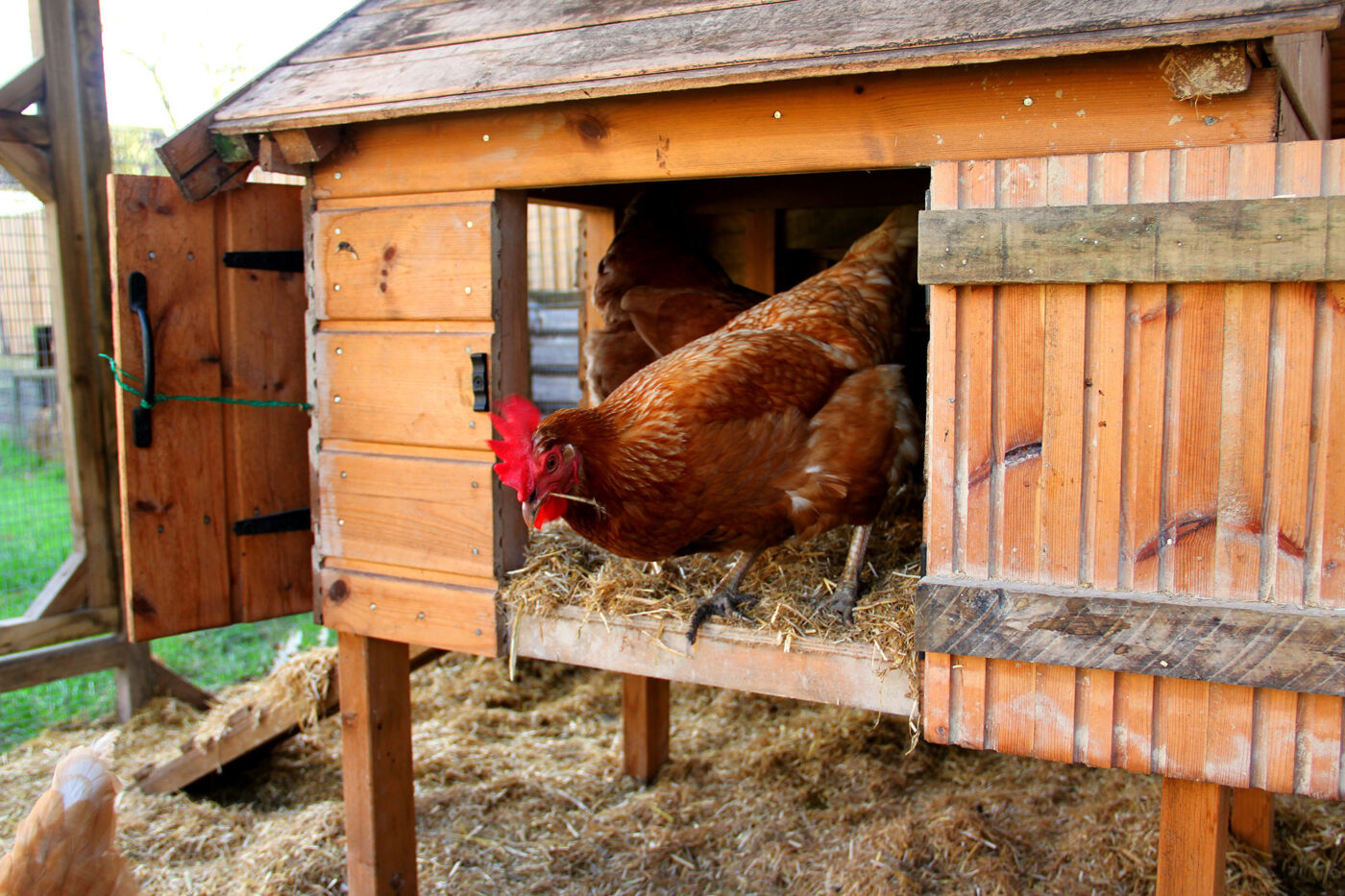
When it comes to keeping chickens, the right housing is important. Your chicken coop should provide your hens with a place to lay their eggs and a secure space to roost overnight. Hens like to lay their eggs in a dark and quiet place. Many coops have a nesting box at the side with an access lid allowing you to easily collect your eggs without causing too much disturbance to the birds inside. Hen houses should be secure and protected from predators such as foxes; ensuring your coop is sturdy and raising it off the ground can help prevent predators digging their way in.
Chicken nest bedding, such as Dengie Fresh Bed for Chickens, can be spread on the floor of the coop to help absorb any moisture, droppings and smells. The chicken coop bedding material also provides cushioning for your hen’s feet and insulation in the colder months. Nesting boxes should also be lined with soft and dry bedding material for chickens to provide comfort for hens when laying and also help protect your eggs. A pet chicken may also be an ex-battery hen. It’s important to remember that ex-battery hens are often not used to roosting on a perch and may prefer snuggling into a nest of bedding for chicken nesting boxes instead. This can help to keep your pet chickens to feel safe, secure and comfortable.
Cleaning and Management
Regular cleaning and disinfecting of your coop and chicken bed is important to keep harmful bacteria, parasites and viruses at bay. Droppings and wet patches can be removed from chicken house bedding on a daily basis and a thorough clean should be undertaken weekly. Always remember to clean out your drinkers and feeders too.
It is vital to check both your hens and their coop for parasites such as red mite which are often brought out by the warmer weather. It is important to keep up to date with parasite treatment and worming of your pet chickens should be performed three or four times per year.
What to Feed Chickens
Your hens will need daily access to fresh water to help keep them hydrated, an average laying chicken will need around 200ml of water per day. The best chicken feed will depend on the individual’s needs, but it is important to ensure your hens have a balanced and nutritious diet by feeding a specially formulated chicken feed. Chicken feed pellets or a chicken corn feed would normally contain a blend of cereals, proteins, vitamins and minerals. Alfalfa feed for chickens is also popular due to alfalfa being beneficial for egg quality and therefore human health.
An average pet chicken will require between 120 – 150g of food per day. Chicken feeds suppliers should be able to advise on the most suitable ration for your chickens but remember to make any feeding changes gradually as making sudden changes can lead to digestive upsets.
Dengie Fresh Bed for Chickens
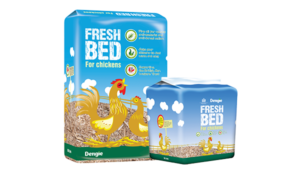 Dengie Fresh Bed for Chickens is made from chopped and dust extracted straw with a pine oil coating, providing anti-fungal and anti-bacterial properties which can be used for indoor or outdoor chicken run bedding. Fresh Bed for Chickens was developed in association with the British Hen Welfare Trust to provide a clean and warm bed chicken bedding that is dust free and smells fresh. Dengie customers think Fresh Bed for Chickens is the best bedding for chickens, but most importantly chickens love it!
Dengie Fresh Bed for Chickens is easy to dispose of as it breaks down much quicker than shavings or wood pellets producing great compost for your veggies. Fresh bed for Chickens is available in 100 litre or 50 litre bales and is also suitable for other poultry such as ducks, geese and pheasants.
If you have any questions about keeping chickens, don’t hesitate to get in touch with our expert team today. While we may specialise in horses, our dedicated team can provide assistance with enquiries around our Fresh Bed For Chickens and bedding products.
Dengie Fresh Bed for Chickens RRP: £7.90 + VAT (50L) and £12.60 + VAT (100L) available from all good chicken bedding suppliers.
References
bhwt org hen husbandry
bhwt org health tips
bhwt org keeping chickens guide