

Quick Links
Feed Ingredients Used in Horse Feeds
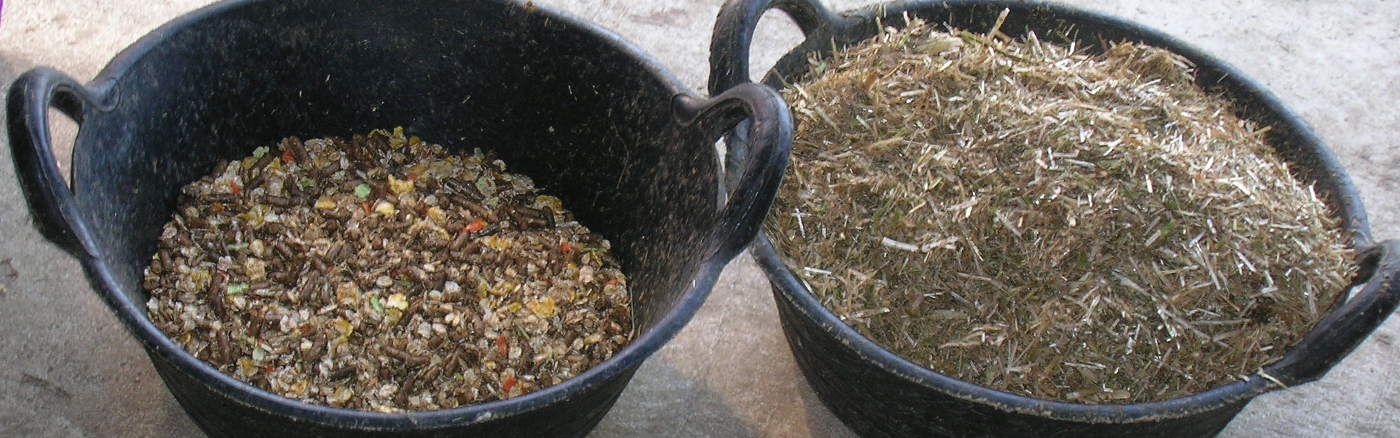
The types of ingredients most commonly used in horse feeds have changed over time. This is partly due to the demise of the horse as a working animal but also in response to a better understanding of the increased disease risks from feeding high levels of starch. These factors combined mean that most horses today are fed a greater proportion of forage and high fibre feed ingredients and much lower levels of cereal grains than would have been the case 50 years ago.
So what are these high fibre ingredients and how do you know which are right for your horse?
Alfalfa
Also known as lucerne, alfalfa is a legume and is a member of the pea and bean family. Its roots are about 3-4 metres deep, allowing it to access water and minerals deep in the soil. This makes it a very nutritious crop as well as being beneficial for soil structure. Alfalfa takes nitrogen from the atmosphere and converts it into amino acids, as well as putting some back into the soil. This means that no additional fertilisers are needed for alfalfa, and the crops that follow in rotation require much less fertiliser too.
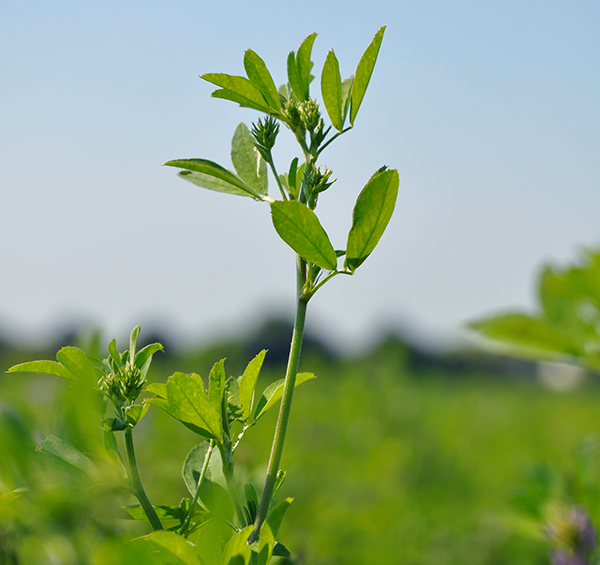
Alfalfa is typically left in the ground for three to four years. This not only provides winter ground cover for birds and insects but also reduces the tillage of the land, which research is showing to be beneficial for carbon capture (Hussain et al., 2021). At Dengie, we keep our “food miles” low, as we grow around 5000 acres of alfalfa ourselves within a 20-mile radius of our production site.
As well as being good for the environment, alfalfa has a range of benefits for the horse, which is why we include it in many of our feeds:
Alfalfa provides slow-release energy whilst being low in sugar and starch
Alfalfa is highly digestible, which means it is easier for the horse to break down in the hindgut, so it can make a significant contribution to their energy (calorie) requirements. At 10 MJ/kg of digestible energy (DE), it is comparable to a low energy mix but without the level of starch found in cereals. This means it is beneficial for horses who can be fizzy or excitable – research has found that horses fed alfalfa-based diets were less reactive with lower resting heart rates compared to horses fed higher starch, cereal-based diets (Bulmer et al., 2015).
But why is alfalfa so low in starch? Like other plants, alfalfa makes sugar when photosynthesising but if it makes more sugar than it needs, it stores any surplus as starch in its roots – the part that horses don’t eat! This contrasts with grass which stores sugar as fructan in the stem and leaves.
Alfalfa provides a great source of quality protein
Protein is vital for good health, and the building blocks of protein are amino acids. There are more than 20 amino acids, some of which must be supplied in the diet because the body cannot make enough to meet requirements, and these are referred to as essential amino acids. Lysine is the only amino acid for which the requirement has been determined in horses, and it is also a limiting amino acid. This means that, even if there is an abundance of protein in the diet, the horse can still be protein-deficient if insufficient lysine is consumed. Alfalfa is naturally high in lysine compared to other forages, making it an ideal protein source for the horse.
Alfalfa contains naturally occurring minerals
Because alfalfa has such deep roots, it can access minerals like calcium from deep in the soil, where it is more available for absorption. This means that alfalfa typically contains 30-50% more calcium than grass forages, which is one reason that alfalfa is a natural buffer to acidity in the stomach. Studies suggest that omeprazole, the most common treatment for gastric ulcers, may reduce calcium absorption and so it’s of particular importance that sufficient calcium is provided in the diet (Pagan et al., 2020). Plant-based sources of calcium like alfalfa are much easier for the horse to absorb than inorganic (mined) sources such as limestone flour.
Alfalfa can be a very clean source of fibre
At Dengie, we use precision drying at relatively high temperatures to conserve the alfalfa – this means we aren’t dependent on the sun to dry the crop which extends our harvest season. The chopped alfalfa is brought in from the field and enters the driers within 24 hours of being cut, locking in the natural nutrients. Precision drying means our alfalfa is consistently clean with very low mould counts, which makes it a particularly useful fibre source for the performance horse where respiratory health is key.
Grass
Another high fibre ingredient commonly found in horse feeds is dried grass. Different varieties of grass can be used, and at Dengie we use species including tall fescue, timothy and rye. Harvesting the grass at the optimum time before it fully matures helps to improve its digestibility, as it is easier for the microbes in the horse’s hindgut to break down the fibre. Like alfalfa, the grass used in our feeds is precision dried to produce a consistently clean fibre source.
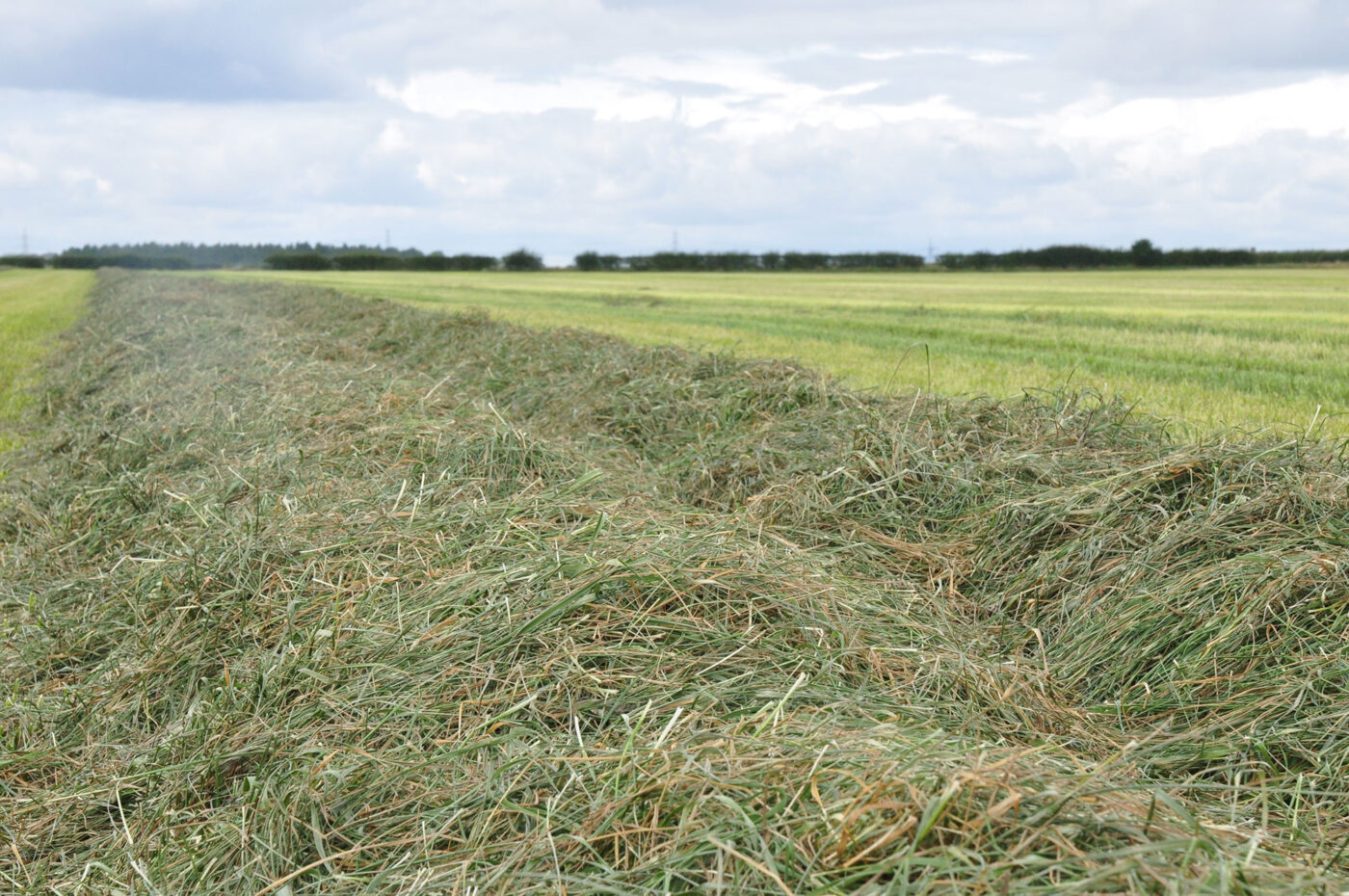
Dried grass is a source of naturally occurring sugar, just like fresh grass. The level of simple sugar is around 12%, so for laminitis-prone individuals, it may be preferable to use alfalfa or straw based fibre feeds which are much lower in sugar. However, for fussy horses and ponies, the natural sweetness of dried grass can be helpful to tempt them. For those who are not good forage eaters, such as competition horses who are frequently travelling or staying away, a grass-based fibre feed can often be useful as a partial forage replacement.
Dried grass feeds are also useful for horses with poor teeth as the short chop length and softer structure mean it is easier to chew and digest, and it can be provided in either chopped or pelleted formats; the latter can be soaked to make a mash. It can typically be used on a weight for weight basis to replace hay or haylage for older horses or horses who have diastemas or other dental issues that impact their ability to chew. However, it is also suited to any horse stabled for longer periods, as research has shown that providing stabled horses with multiple fibre types encourages them to forage and display more natural grazing and browsing behaviours (Thorne et al., 2005).
Straw
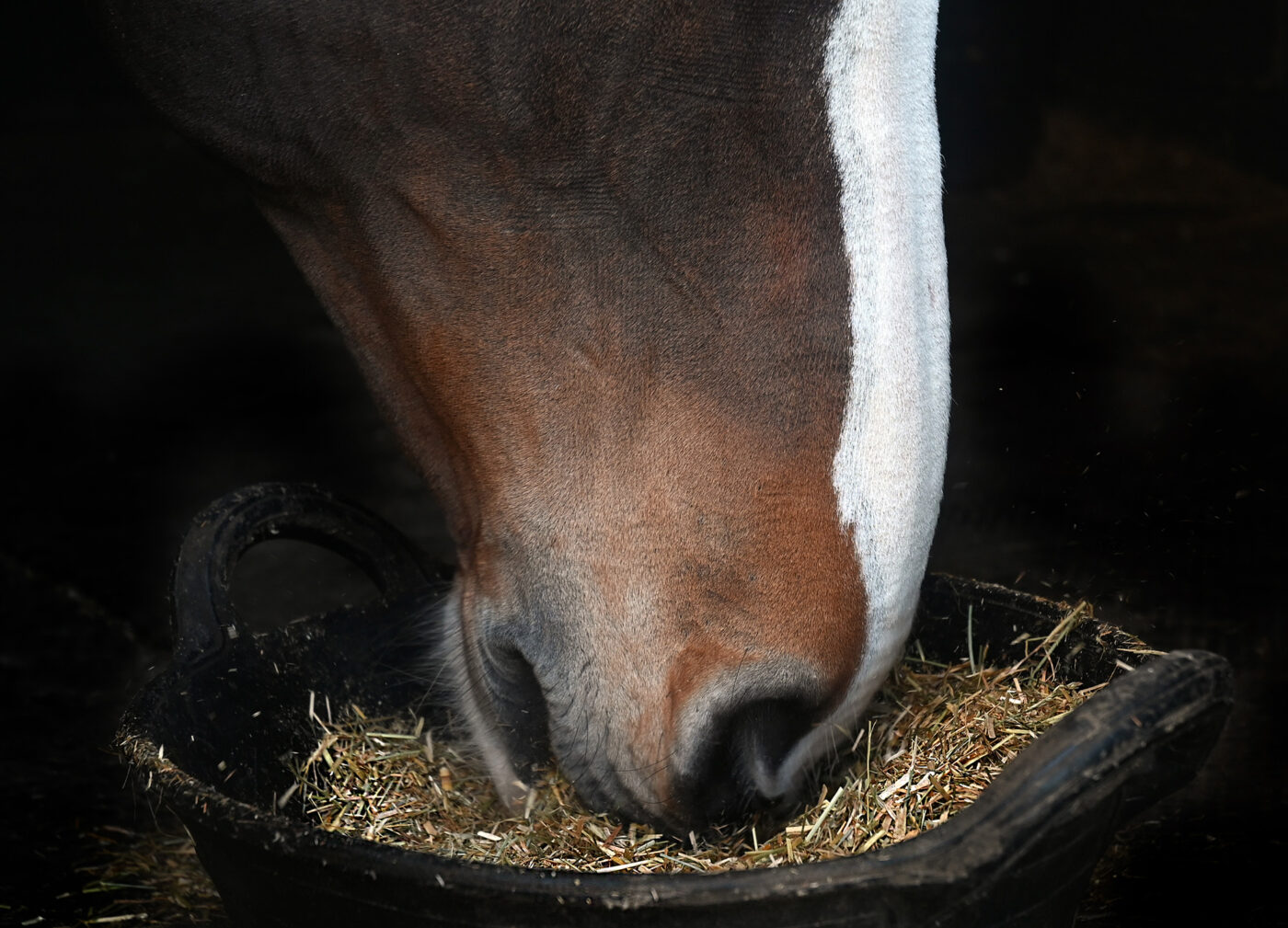
For good doers, straw can be an extremely useful feed material as it provides fibre and chew time with relatively few calories – even less than hay. Straw is high in fibre and its low calorie, or energy content is because it contains higher proportions of indigestible materials, such as lignin. It is ideal for mixing with hay or haylage to dilute the calories supplied to good doers, especially in situations where soaking the hay is not an option. More information on the use of straw as a forage source can be found here.
Chopped straw can also be a useful component of the bucket feed, and it is often included in low energy feeds to provide chew time without too many calories. It is often combined with other chopped fibre types, or it can be pelleted and included in mixes or cubes. Pelleted straw can be made more digestible by treating it before it is pelleted and added to feeds – this effectively begins the digestion process before it reaches the horse. This process is also widely used in human food preparation too, including to soften olives and create pretzels. Treated straw may be found on ingredients lists as NIS (nutritionally improved straw) or PTS (partially treated straw). It is important to note that a lot of misinformation abounds about treated straw. The agent used to break down the structure has to be a strong natural chemical as fibre is a very complex and therefore robust structure. The chemical reaction that occurs actually means that there is a very low level of bicarbonate left in the straw. Bicarbonate would actually act as a buffer to acidity in the gut although because the levels are so low it is unlikely to have any discernible effect.
At Dengie, we use straw as a key ingredient in our Hi-Fi range to provide a lower calorie ration for weight management whilst helping to satisfy the horse’s need to chew. Straw also has a much lower water soluble carbohydrate (WSC) content than grass forages so is a suitable ingredient in feeds for horses requiring a low sugar diet, such as those prone to laminitis.
Sugar beet pulp
Understandably, the name “sugar beet” can sometimes cause confusion, as it implies that it is very high in sugar – however the sugar from raw sugar beet is in fact extracted for use in human foods. The fibrous residue or “pulp” that’s left is what is used in horse feed, and this usually contains less than 5% sugar. Some companies add a little molasses to make it more palatable, but there are sugar beet products available, such as Dengie Alfa-Beet, that are molasses-free.
Sugar beet pulp is high in easily digestible fibre and has a calorie or energy level comparable to oats, but without the high starch content. Research has shown that sugar beet has further benefits in that it can help to improve the digestibility of other fibre types in the diet (Murray et al., 2008). In other words, your horse gets more out of the rest of the fibre in the diet when sugar beet is fed. This is why the combination of alfalfa and sugar beet in Alfa-Beet is so effective at promoting weight gain.
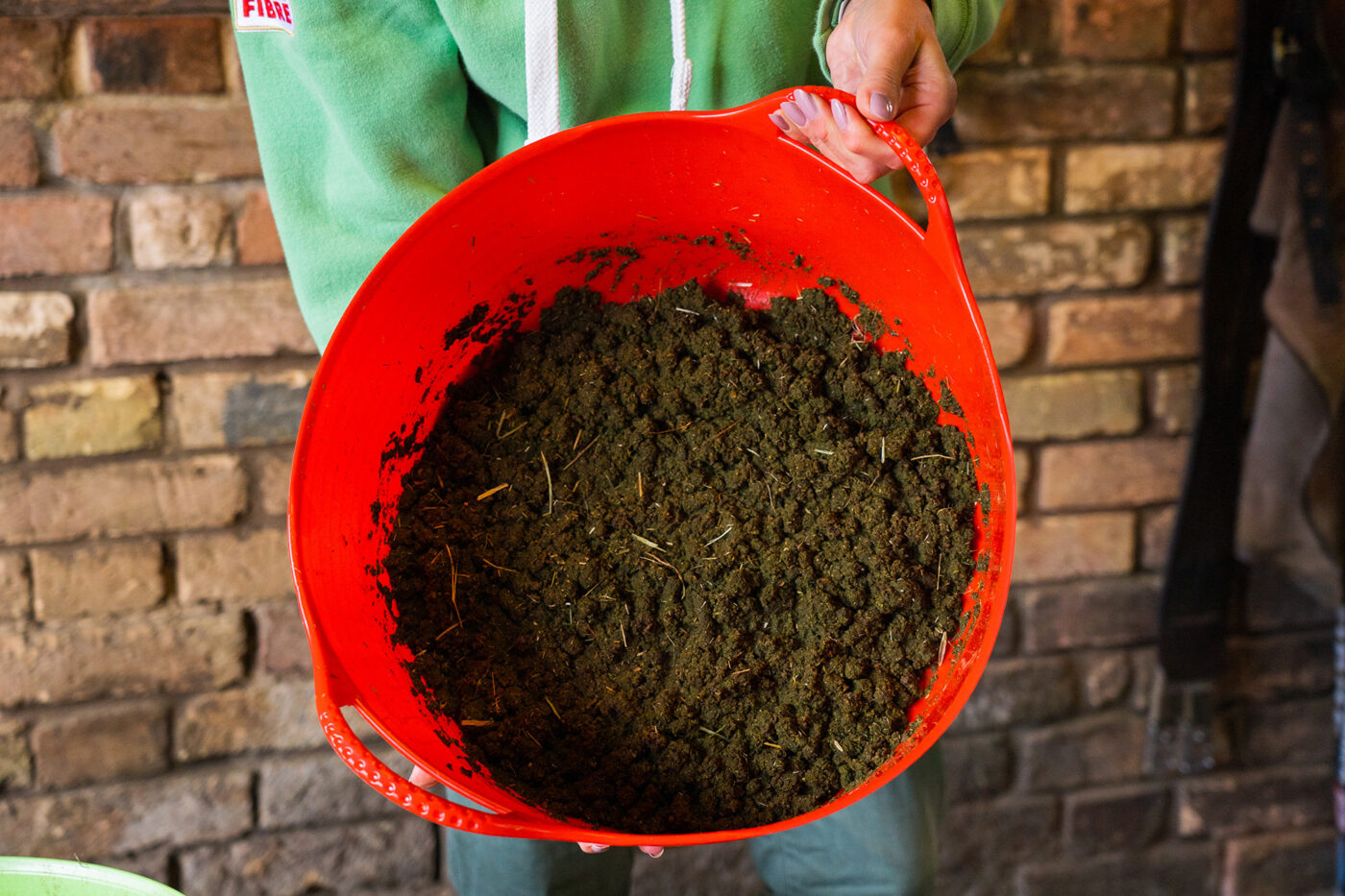
Sugar beet needs to be soaked before feeding and holds about 750-900g of water for every kilogram of soaked feed. It therefore means more water is entering the digestive tract which can help to keep the horse hydrated in hot temperatures, as well as during the colder months when water intake may be reduced as horses are less inclined to drink.
The downside to feeding fibre as a mash is that it doesn’t require as much chewing as chopped fibre. So whilst this is useful for those with compromised dentition, for other horses less chewing means less saliva production which will inhibit the buffering of acidity in the digestive tract. This has been illustrated in a study by Daniels et al (2024) who found that the level of acidity increased more in horses fed sugar beet than other forms of forage. The findings do not suggest that sugar beet shouldn’t be fed as the effect was very transient but simply illustrates the possible effect of less chewing and therefore less saliva.
Pea hull fibre
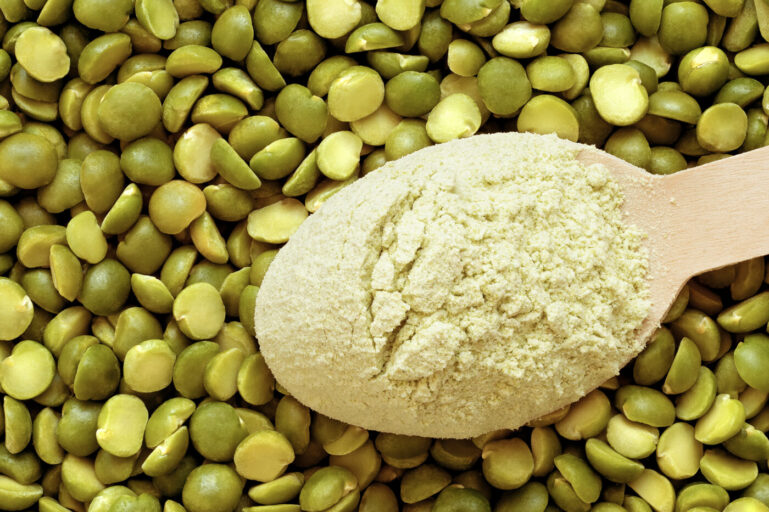
The latest ingredient to be introduced to Dengie feeds is pea hull fibre. As the name suggests, the fibre comes from peas and is the hull of the pea itself rather than the pod. Pea hull fibre provides a mix of different fibre types whilst being very low in sugar and starch. Of the fibre content, around 20% is pectin which is a highly digestible form of fibre for the horse. There is only a very low level of lignin which means the fibre is very easy for them to access and utilise – in contrast to more lignified forages like straw and late cut hay.
The hulls of legume seeds such as peas are a good source of natural antioxidants too in the form of polyphenols such as flavonoids. These are one of the reasons humans should eat at least 5 portions of fruit and veg a day as it means we consume these natural nutrients that are beneficial for health. As good doers are typically on limited pasture, they miss out on many natural nutrients and so using a wide range of ingredients in the bucket helps to counteract the lack of pasture.
A sustainable ingredient
Pea hull fibre is a co-product sourced from peas entering into the human food chain. In a study conducted by Wageningen University with Blonk consultancy, the Lifecycle Assessment of the peas from which the fibre is taken were found to have the lowest climate change impact when compared to other plant-based protein sources.
Do horses like pea hull fibre?
The pea hull fibre has been tested with a wide range of horses and ponies during the development trials of Meadow Lite with Herbs which includes pea hull fibre. The feed has been eaten up well and so we can conclude that pea hull fibre is palatable when included as part of the ration.
Is pea hull fibre high in protein?
No, in fact it is very low in protein as it is just the fibrous hull from around the pea. Pea protein has become a popular source of plant protein in recent times but that comes from the pea itself. The demand for the protein has made the pea hull fibre a more abundant ingredient available for use in animal feed.
Is the pea hull extracted using chemicals?
No, the hull is removed mechanically using a gentle brushing and rubbing technique. Air is then used to move the fibre through a grinding process to create a flour-like texture. Heat is applied to ensure it is free from any microbes and therefore safe to use as a feed ingredient.
Other high fibre ingredients
- Oatfeed and wheatfeed – These are co-products of the oat and wheat milling industries and consist of the ‘husk’ and ‘hairs’ of the cereal grain. The names of these ingredients can often cause confusion, as they can lead horse owners to assume they still contain the whole cereal grain which could cause excitability. In fact, oatfeed and wheatfeed are high in fibre and low in starch, which is why they are often used in low energy feeds because they help dilute the energy value of the grains themselves.
- Bran – Historically, bran mashes were fed irregularly after harder work, such as a day’s hunting, as it was believed that it helped prevent digestive upsets by acting as a laxative. However, it is now recognised that bran has little or no laxative effect. Furthermore, making a sudden change to the diet is not desirable at any time and arguably least of all after a period of hard work when the aim should be to aid recovery. Bran also has an inverse calcium to phosphorus ratio and so can unbalance the ratio in the total diet. Although this can be counteracted by supplying other calcium sources, nowadays bran is very rarely recommended by nutritionists as there are much better alternatives available.
Commonly used protein sources in horse feed
- Soya – Like alfalfa, soya is a member of the legume family. Soya is often micronised and flaked to provide a high oil, high protein feed ingredient. Soya hulls are the hulls of the bean and are commonly used as another fibre source in feeds. However, there are growing concerns surrounding the environmental impact of using soya, and at Dengie we moved away from using soya products in our feeds back in 2014, due to the damage soya production was causing to the rainforests in Brazil.
- Distillers’ grains – These are a co-product of the distillery industry. Cereals such as wheat or barley are ground and then soaked to release the starch which is converted to sugars for fermentation. Once the alcohol has been distilled off, the remainder of the grain is dried and pressed into pellets, which results in a low starch ingredient that is commonly used in animal feeds.
Cereals
Cereals such as oats, maize, wheat or barley contain higher levels of starch, often more than 50%, so may be best avoided for horses who can be excitable, as well as for those requiring a low sugar/low starch diet due to problems like laminitis or gastric ulcers. Traditionally, cereals have provided a palatable energy source for the horse. However, as the amount of cereal-based feed in the diet increases, typically the amount of fibre consumed reduces. Fibre is vital for the maintenance of digestive health, and problems such as gastric ulcers or colic are more likely to be experienced in horses on a low fibre, high starch diet.
Furthermore, horses have a limited capacity to digest starch in their small intestine. Starch escaping digestion here can end up in the horse’s hindgut where it is rapidly fermented. This results in a more acidic environment and a change in the intestinal microbiota, which has been linked to an increased risk of colic and laminitis. When feeding cereals, we therefore need to be mindful of the amount used and consider whether we really need to feed them at all. Current advice is to limit starch intake to less than 1g of starch per kilogram of bodyweight per meal and less than 2g of starch per kilogram of bodyweight per day. Use our Starch Intake Calculator to work out how much you’re feeding.
Coatings – what are they and why are they used?
Coatings are predominantly used in feeds to aid palatability and to help maintain or improve the structure and appearance of a feed. Some materials can shatter once they are dried which can make the feed appear dusty. A light coating will help to disperse and stick any fragments ensuring they don’t end up as tiny particles at the bottom of the bag. As these parts of the materials can often be the most nutritious, it’s important they are included in the feeds.
Molasses and oil are the two coatings used in Dengie feeds. Molasses is a natural co-product from the sugar industry, originating from either sugar cane or sugar beet. Since it comes from another industry, this also means a valuable resource is being fully utilised rather than going to waste. With sustainability of food and fuel production of ever-increasing importance, this is significant to consider.
Molasses often gets bad press because it is believed to add lots of sugar to a feed. However, it’s usually included at low enough levels that the overall sugar content of the product is still not excessive. It’s therefore important to look at the total sugar content of a feed rather than just whether it contains molasses. For horses with no underlying health issues, molasses is a useful ingredient when included in moderation. It can also help with feed palatability, making it a particularly beneficial ingredient for fussy feeders. However, for those that require the lowest levels of sugar, our range of molasses-free feeds may be a preferable option.
In these types of feeds, the coating used instead of molasses is oil. Unfortunately, oil isn’t as palatable as molasses, so herbs or flavours like mint and fenugreek are sometimes added alongside to help improve palatability. Oil is also more calorie or energy dense than molasses, which means that molasses-free feeds containing oil will typically have a higher digestible energy (DE) content compared to their molassed counterparts.
Using Oil for Condition
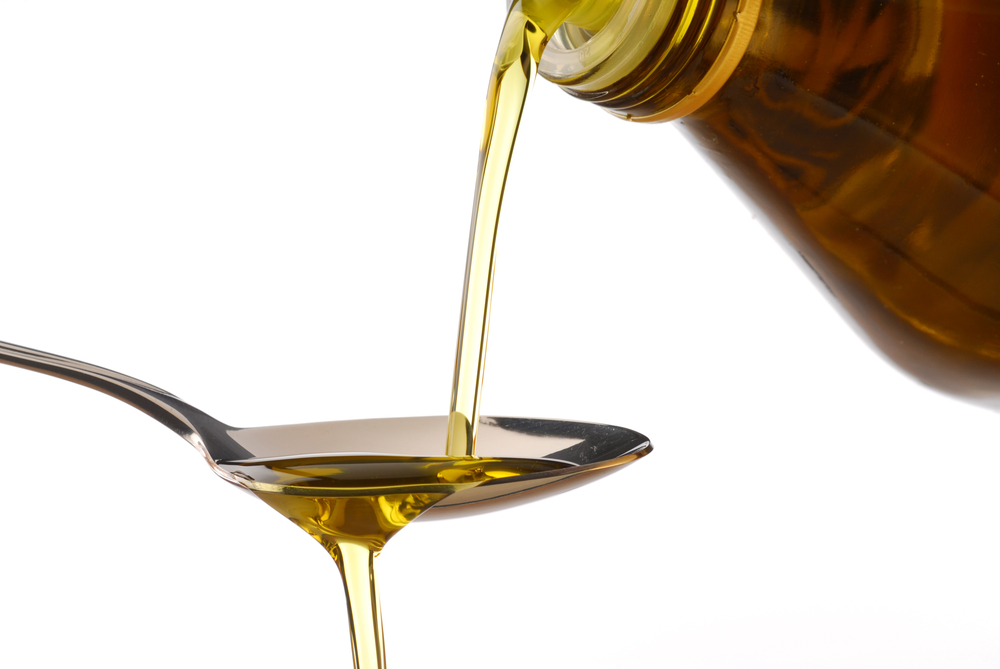
Oil provides about 38MJ/kg compared with barley, at about 13MJ/kg, so it’s not surprising that oil is useful for promoting weight gain in horses. To give a more practical example, 250ml of oil – about a mug full – would provide a similar energy level as 1kg or about one large round scoop of low-energy mix.
One of the main advantages of the energy density of oil is that it can be used to increase the energy content of the horse’s ration without significantly increasing meal size. Horses have a finite capacity to utilise starch form cereal grains and, although traditionally cereals have been used to increase energy intake for working horses and those that need to gain weight, overfeeding them increases the risk of a number of problems, including gastric ulcers and colic. Using a high-oil horse feed allows the amount of cereals used to be reduced or removed from the ration, and can help to provide slow-release energy without the fizz.
Oil is also suitable for those prone to laminitis. Not all laminitics are overweight and some need help to maintain weight, especially over the winter months or when in harder work. Using sources of digestible fibre alongside supplementary oil is one way to help promote weight gain if necessary. Over the past couple of years, much attention has been given to insulin resistance and its links to laminitis. In part, feeding practices that involve ‘meals’ of starch and sugar rations are thought to worsen this problem and, even in healthy horses, those adapted to a starch- and sugar-rich diet have been found to have a lower insulin sensitivity compared with those adapted to a fat and fibre diet.
Different types of oil will have different properties. The quality of oil tends to be measured with respect to its essential fatty acid profile, particularly the levels of omega 3 fatty acids. Oils that contain a higher proportion of omega 3s, such as linseed oil, are generally considered to be of better quality. However, high omega 3 levels can affect the stability of the oil, particularly in hot conditions. Dengie customers who compete may need to take our feeds all over the world, including to very hot countries, so we take great care to use ingredients that will stand up to these conditions. If oil goes rancid, it produces peroxides or free radicals which can be harmful to health. For this reason, rapeseed oil is our primary oil type as our alternative to molasses. This also extends the shelf life of the feeds, making it more practical for owners who prefer to stock up. By using rapeseed oil, we can achieve a balance between quality, sustainability and environmental issues, as well as cost for the customer, reliability and continuity of supply.
How to feed oil for weight gain
- Oil should be introduced gradually into the ration so that your horse gets used to the taste, as well as to avoid digestive disturbance such as loose droppings.
- Oil should not be fed ad-lib – the maximum suggested levels of supplementary oil are 100ml/100kg body weight, so, for example, a 500kg horse should be fed a maximum of 500ml of oil.
- Oil is a hollow or empty ingredient in that it provides plenty of calories but no other major nutrients such as protein, so needs to be incorporated into a balanced ration.
- When the amount of oil in the ration is increased, the amount of Vitamin E supplied also needs to be increased.
Feeding Oil for Coat Condition
Oil can also be used in smaller quantities to help promote good skin and coat condition. It is important to remember that oil is very conditioning, so, if you have a good doer, it is best fed in restricted quantities. However, a little can go a long way in terms of promoting coat shine – 25ml is often enough to generate a sleek, glossy coat.
What about linseed?
Micronised linseed has become a popular inclusion into equine diets. In the past, it was typically fed in the form of a linseed mash and horse owners had to boil it for hours. Today, micronised linseed, which has already been cooked to make it more digestible, is a more convenient option. But what is linseed and why is it so popular?
Linseed is often grouped with other “oilseeds”, such as rape and soya. Although from different plant families, all produce seeds from which useful vegetable oils can be extracted.

The main benefit of micronised linseed for horses is as a source of omega 3 fatty acids. If micronised linseed is fed in larger amounts, because it is high in oil, it will provide a higher level of energy (calories) and so is useful for promoting weight gain. Because it is low in sugar and starch, it is often a good choice for horses who can be sharp or excitable. Linseed is also a good source of protein and quality protein in the form of lysine.
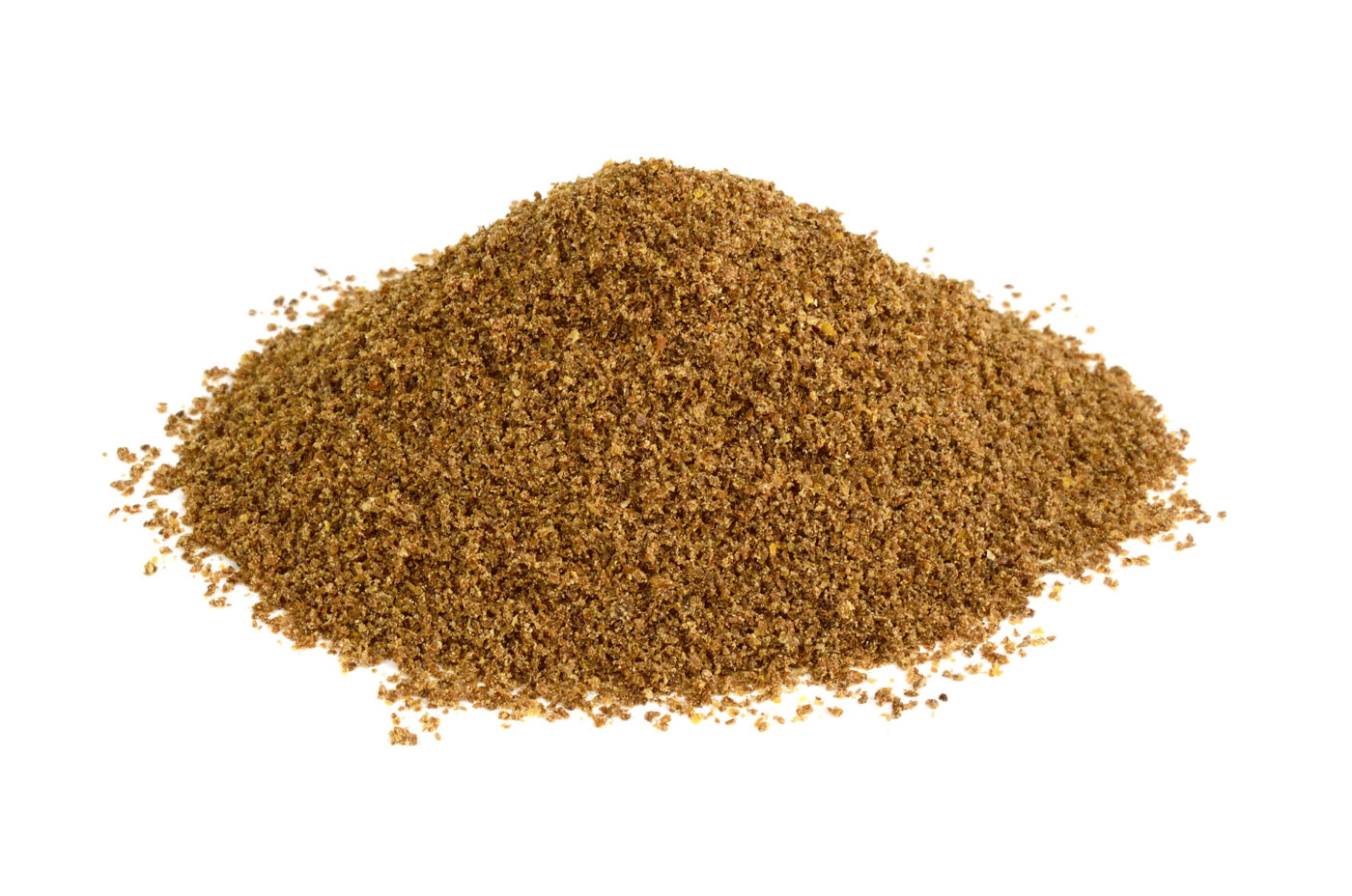
As linseed is high oil at around 35% oil, additional vitamin E needs to be supplied when feeding larger amounts of linseed. Linseed also has an inverse calcium to phosphorus ratio which also needs to be balanced in the diet. Amongst other things calcium and phosphorus are important for bone strength. Higher levels of phosphorus in the diet can bind calcium reducing its absorption which can impact performance and bone health long term. Horses require a calcium to phosphorus ratio in their daily diet of 1.5-2:1, meaning they need 1.5-2 times as much calcium as phosphorus. Linseed has a ratio of 0.3-0.4:1 Calcium : Phosphorus meaning that the ratio is inverse or the wrong way round and if linseed is fed in significant amounts, then extra calcium needs to be fed to improve the ratio. Alfalfa which is naturally abundant in calcium is a great natural balancer to linseed and feeding them at an equal weight e.g. 100g of alfalfa for every 100g of linseed fed improves the ratio.
Feed additives – friend or foe?
Additives are subject to strict legislation in the feed industry, and include substances, microorganisms or preparations other than feed materials and premixtures that are intentionally added to the feed to perform a specific function. In this context, an additive isn’t bad – it could refer to beneficial ingredients for health, such as yeast. The additives list has changed from a “negative list” to a “positive list”, in that something now must be proven to be safe and efficacious in order to be included, rather than simply not being proven to be unsafe. Some common types of feed additive are outlined below:
- Digestive aids – These are additives which are included in feeds to support digestive health as well as the efficiency of fibre digestion in the horse’s gut. They can include yeast, prebiotics (which you might see written as MOS or FOS) and postbiotics.
- Mould inhibitor – This is commonly added in low levels to feeds containing straw and molasses and is usually in the form of propionic acid. This is not harmful to the horse as it is in fact the same substance that is produced in the horse’s gut during fibre digestion. As straw is sun-dried, it is inherently not as clean as alfalfa or grass that is precision dried, and so the inhibitor is a precaution to reduce the risk of mould developing. The risk of mould to horse health is far greater than the mould inhibitor, especially as we cannot always see the mould, even at higher levels.
- Herbs and flavours – These are generally added to improve the palatability of a feed and would be listed under ‘sensory’ on a feed label. They may include herbs which are sourced from the plant itself, like liquorice root, or natural flavours which are concentrated and added to oil as a carrier, such as mint, garlic and fenugreek. There are also “nature-identical” flavours which are manufactured to have the same chemical structure as the original flavour so they decompose in the same way, but help to ensure stability.
- Vitamins and minerals – If these are added to the raw materials in feeds, they are considered additives. Natural forms of vitamins aren’t very stable and decline quickly. Premixes tend to be used to provide consistent levels in feeds, and declared levels must be present at the end of the shelf life or best before date. Feeds without added vitamins and minerals are referred to as straights and so a vitamin and mineral supplement, balancer or other fortified feed should be fed alongside to provide a nutritionally balanced ration.
Turmeric
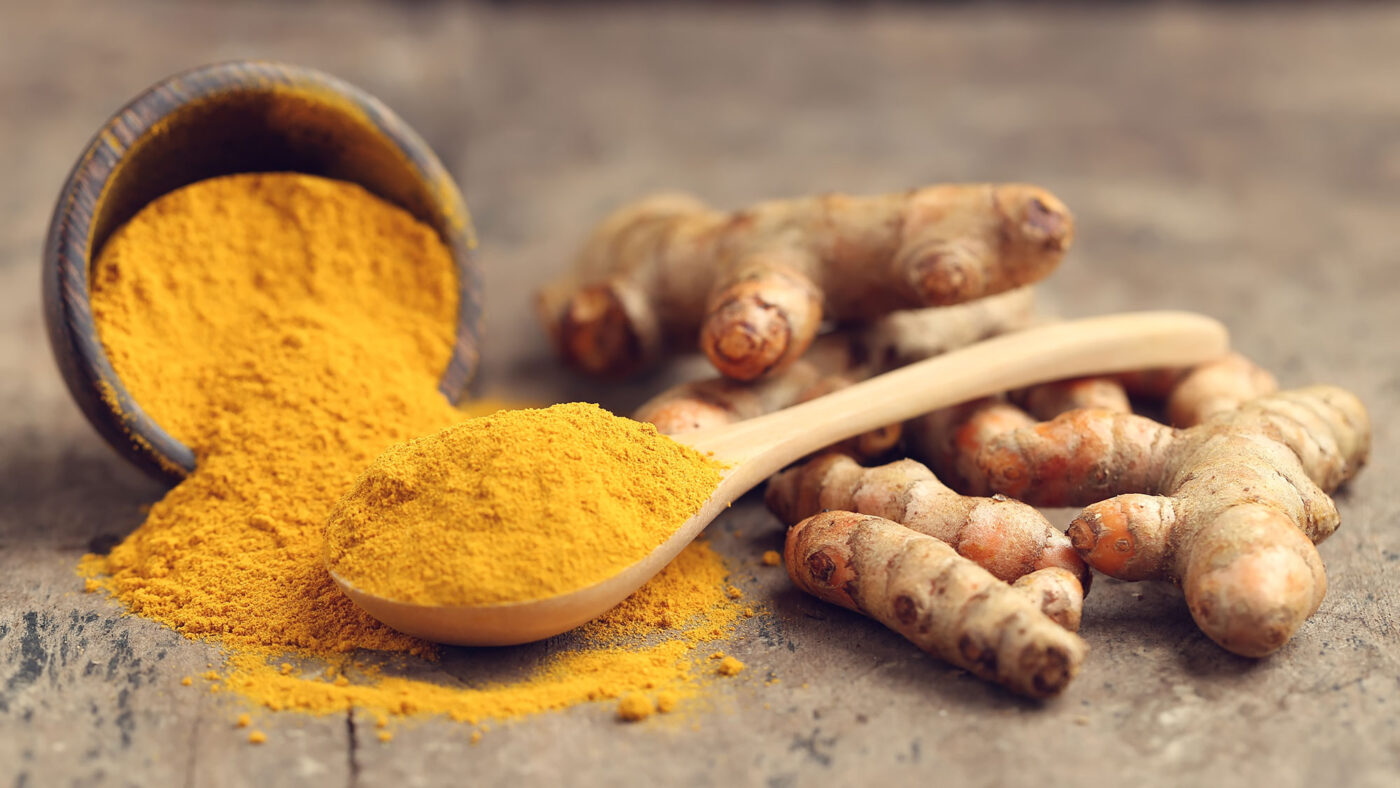
Turmeric has been consumed by humans for thousands of years both as a food ingredient and because it is believed to have medicinal properties. More recently it has received increased attention as people look for natural remedies and solutions to health issues. Some reports suggest that there have been over 3000 papers published relating to turmeric. Sadly, few of the studies relate to horses specifically and despite this depth of study, there is still some debate over its use and efficacy for both humans and other species.
Is turmeric good for horses?
No horse feed or supplement company is permitted to suggest that turmeric, or any other ingredient, can cure, treat or prevent a disease in horses. However, it is permissible to state that turmeric is a source of natural antioxidants also known as flavonoids. Botanical antioxidants are found in a wide range of plants, and this is why humans are encouraged to eat a “rainbow” of fruit, vegetables, herbs and spices as the different colours provide different antioxidants.
Feeding turmeric to horses alongside other ingredients such as alfalfa, which is also rich in natural antioxidants, may help to maintain good health and condition. Interestingly, many horses also seem to find turmeric very palatable.
Can I use turmeric for horses with ulcers or those with laminitis?
The use of turmeric for horses with an issue such as ulcers or laminitis should only be considered in the context of being a palatability aid and not therapeutic. However, some people have questioned whether it is safe to use. In a study published in 2020 (Andrews et al) it was shown that using a pure turmeric supplement for 28 days did not cause or worsen ulcers during this time period. This suggests that using turmeric for horses with ulcers is safe to do. However, curcumin, the active compound in turmeric, has been reported to interact with drugs and cause some side effects in horses and so it is advisable to discuss using turmeric for horses on medication or with any other condition with your vet.
Feed labels
There are certain pieces of information that manufacturers are legally required to include, and these are found in the ‘statutory statement’. Probably of greatest interest to horse owners are the nutrient levels and the ingredients list. This list must be declared on the bag in a descending order of inclusion, which means the first ingredient on the list will be what is included in the highest levels, and the last ingredient will be included in the lowest levels.
Summary
- Different ingredients will have different benefits for your horse, so it’s important to look at your feed label to check that what’s included is best suited to their needs.
- Alfalfa is a great source of good quality protein and slow-release energy/calories that is naturally low in sugar and starch.
- Grass is a palatable source of fibre which is naturally sweet and is useful for older horses and performance horses alike.
- Both the grass and alfalfa used by Dengie is precision dried, which means we can produce consistently clean fibre sources that are ideal for performance horses and those with respiratory problems.
- Straw is a low calorie fibre which provides an increased chew time so is a great choice for good doers.
- Sugar beet pulp used in horse feeds is a low sugar, highly digestible fibre source.
- Coatings such as molasses and oil are used to improve palatability and maintain a consistent quality of the feed.
- Feed additives are included in feeds to perform a specific beneficial function.
References
- Bulmer, L., McBride, S., Williams, K. and Murray, J.A. (2015) The effects of a high-starch or high-fibre diet on equine reactivity and handling behaviour. Applied Animal Behaviour Science, 165, pp.95-102.
- Hussain, S., Hussain, S., Guo, R., Sarwar, M., Ren, X., Krstic, D., Aslam, Z., Zulifqar, U., Rauf, A., Hano, C. and El-Esawi, M.A. (2021) Carbon sequestration to avoid soil degradation: A review on the role of conservation tillage. Plants, 10(10), p.2001.
- Murray, J.A.M., Longland, A., Hastie, P.M., Moore-Colyer, M. and Dunnett, C. (2008) The nutritive value of sugar beet pulp-substituted lucerne for equids. Animal Feed Science and Technology, 140(1-2), pp.110-124.
- Pagan, J.D., Petroski-Rose, L., Mann, A. and Hauss, A. (2020) Omeprazole reduces calcium digestibility in Thoroughbred horses. Journal of Equine Veterinary Science, 86, p.102851.
- Thorne, J.B., Goodwin, D., Kennedy, M.J., Davidson, H.P.B. and Harris, P. (2005) Foraging enrichment for individually housed horses: Practicality and effects on behaviour. Applied Animal Behaviour Science, 94(1-2), pp.149-164.